HSE & Sustainability

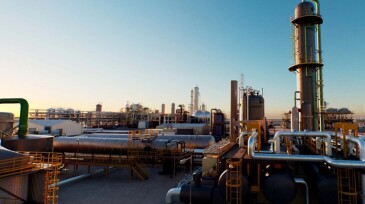
This paper presents a flexible, highly cost- and energy-efficient method of gas separation and CO₂ capture from many different gas mixtures with a large range of CO₂ concentrations.

This study explores the carbon-capture and mineralization potential of ultramafic rock powders when exposed to flue gases generated from combustion of crude oil and mesquite-derived charcoal.

This paper presents an approach for safe, efficient, and cost-effective legacy well reabandonment.
-
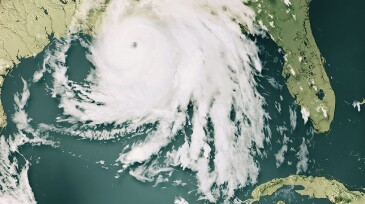
 Hurricane prognosticators continue to believe the 2024 Atlantic storm season will be more active than normal, even after a somewhat slow start. In any case, the oil field is ready.
 -
To choose the right technologies for a gas-compression package, it’s critical for operators to have a clear understanding of their business and greenhouse‑gas emissions-related goals. Operators also need clarity concerning the impact of evolving requirements on total cost of ownership as well as potential financial ramifications.
-
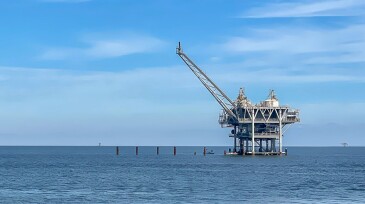
The updated rules are designed to increase safety during operations in the US Outer Continental Shelf, including in high-pressure/high-temperature environments in the Gulf of Mexico.
-
Carbon storage specialist Storegga joins Petronas and ADNOC in a joint study to strategize the build-out of Malaysia’s offshore as a regional CCS hub.
-
Industry experts advocate for collaboration to develop and test technology that can reduce emissions without breaking the bank.
-
Viking Energy, the world’s first LNG-powered supply vessel, is set to become the world’s first ammonia-powered supply vessel.
-
H2Teesside is expected to be one of the UK’s largest low-carbon hydrogen production facilities, targeting 1.2 GW of low-carbon hydrogen production, which equates to more than 10% of the UK’s 2030 hydrogen production target.
-
The guidance presents the first oil-and-gas-specific set of circularity indicators to enable oil and gas companies to measure the circularity of their assets and material in/out flows.
-
The environmental analysis found no significant effects from issuing leases.
-
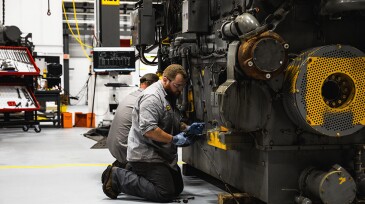
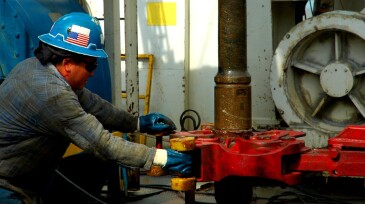
This paper explores the use of human-factors analysis and classification systems in comprehending hand and finger injuries in the oil and gas industry.