HSE & Sustainability

This paper presents a flexible, highly cost- and energy-efficient method of gas separation and CO₂ capture from many different gas mixtures with a large range of CO₂ concentrations.

This study explores the carbon-capture and mineralization potential of ultramafic rock powders when exposed to flue gases generated from combustion of crude oil and mesquite-derived charcoal.

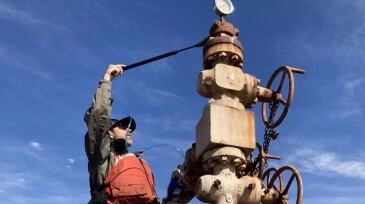
This paper presents an approach for safe, efficient, and cost-effective legacy well reabandonment.
-
 Companies are rushing to inject carbon into Louisiana’s ground, but will thousands of abandoned wells allow it to escape?
 -
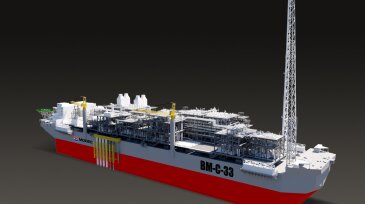
At the 2024 Offshore Technology Conference, industry giants like ExxonMobil, Equinor, and Petrobras offered a look at the future of low-carbon floating production, storage, and offloading units.
-
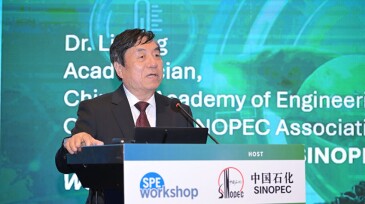
The inaugural SPE Workshop on CCUS Management in China was held in April in Qingdao. The workshop highlighted recent advances and technical challenges in CCUS management and attracted 104 attendees representing 19 organizations from eight countries.
-
The revisions to the Greenhouse Gas Reporting Program aim to bring greater transparency and accountability for methane emissions from oil and natural gas facilities.
-
Offshore Energies UK and Xodus are launching an offshore nesting bird census to get a better understanding of how the animals use oil and gas structures in an effort to protect them.
-
For excellence to become a reality in any important area of operations, especially safety, there are five vital capacities organizations must develop, monitor, and synergize to adapt and thrive in a fast-paced and ever-changing world.
-
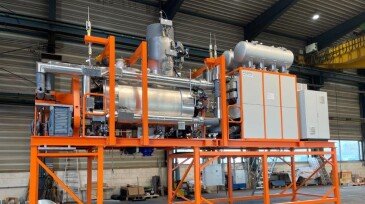
The volume reduction of naturally occurring radioactive material waste with indirectly heated vacuum distillation has been overlooked in research as a viable treatment option. This paper describes several key assessment factors that will allow a more detailed understanding of the benefits of that option.
-
Leadership engagement is needed to drive health and safety performance in a world of work in an increasing state of flux, according to a survey conducted by ERM.
-
SponsoredThe oil and gas industry makes up 40% of all anthropogenic methane emissions because of leaks at the wellsite. Fortunately, the well pad is often where methane emissions are easiest to address through a mitigation strategy of optimized maintenance and process control—all enabled by instrumentation insight.
-
Heightened focus on methane emissions management spurs a new conceptual framework to aid in determining the duration of detected methane emissions, data that may be useful to stakeholders responsible for measurement-informed emission protocols.