HSE & Sustainability

This paper presents a flexible, highly cost- and energy-efficient method of gas separation and CO₂ capture from many different gas mixtures with a large range of CO₂ concentrations.

This paper presents an approach for safe, efficient, and cost-effective legacy well reabandonment.

The solvent-based technology involves a modular treatment process that uses a proprietary catalyst designed to safely and sustainably remove hydrogen sulfide (H₂S) from sour gas streams using either produced water or an alkaline water as the treating media.
-
 The strategy is part of larger interagency effort to promote recovery of the North Atlantic right whale while responsibly developing offshore wind.
 -
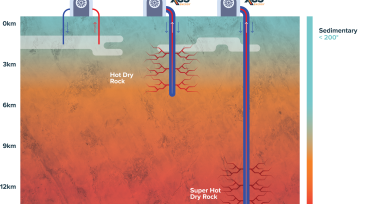
Backed by more than $28 million in fresh investments, XGS Energy is prepping to introduce a new technology called thermal reach enhancement.
-
After becoming the first oil and gas major to source all its onshore grid electricity needs from nuclear and solar energy, ADNOC now focuses on decarbonizing production offshore.
-
Executives from BKV Corp. share why the mid-sized natural gas producer is diving headfirst into carbon sequestration projects and why you should too.
-
Two supermajors exit California, and the US put the brakes on permits to export LNG.
-
The authors of this paper investigate the application of two seismic monitoring methods in monitoring carbon leaks: full waveform inversion and reverse-time migration.
-
This paper describes a method with multitiered analysis to leverage machine-learning techniques to process passive seismic monitoring data, pumping and injection pressure, and rate for fracture and fault analysis.
-
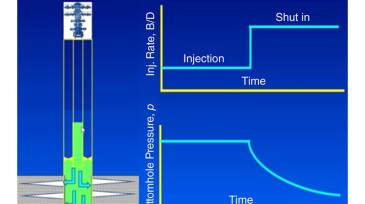
This paper presents a case study on injectivity tests to prove the concept of carbon capture, use, and sequestration capability, describing the design of surface and downhole testing systems, lessons learned, and recommendations.
-
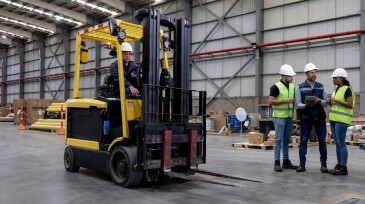
Incorporating technology with items worn on the person, intelligent systems become a part of everyday personal protective equipment, enhancing safety without disrupting operations.
-
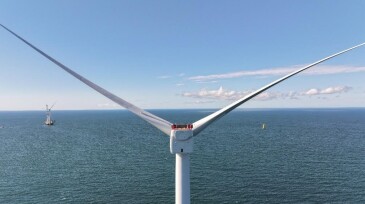
The Vineyard Wind 1 project came online on 2 January, while appeals in several lawsuits against it remain pending.