HSE & Sustainability

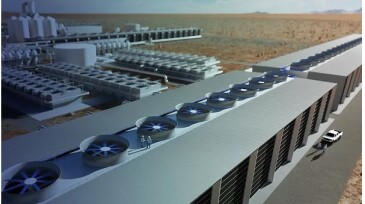
This paper presents a flexible, highly cost- and energy-efficient method of gas separation and CO₂ capture from many different gas mixtures with a large range of CO₂ concentrations.

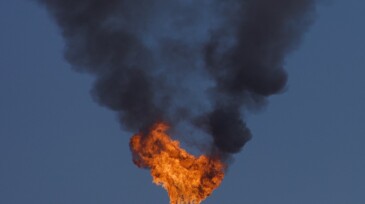
Emissions management covers a wide array of topics such as carbon capture, use, and storage; emissions monitoring; flare management; methods to improve operational efficiency; carbon accounting; and the effect of emissions management on global and local economics. The papers published in the past year span all these subcategories.

This study explores the carbon-capture and mineralization potential of ultramafic rock powders when exposed to flue gases generated from combustion of crude oil and mesquite-derived charcoal.
-
 Meeting the energy demands of today while advancing a lower-carbon energy future requires policy support, innovative approaches, capital investments, and time.
 -
Thailand's coal mining giant Banpu said it has signed an agreement to launch a third carbon capture and sequestration project in the US.
-
Decades of experience injecting fluids into the ground has revealed a fundamental truth: No two injection sites are the same. A thorough understanding of site-specific conditions is essential to ensure safe and secure long-term subsurface disposal of carbon dioxide.
-
A Houston startup that is developing a technology to detect methane leaks has moved on to Phase 2 of Chevron's business accelerator.
-
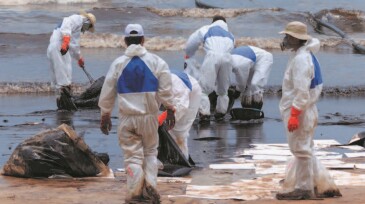
Ipieca and the International Association of Oil and Gas Producers have updated their “Incident Management System for the Oil and Gas Industry,” “Oil Spill Exercises,” and “Responder Health and Safety” guidance documents.
-
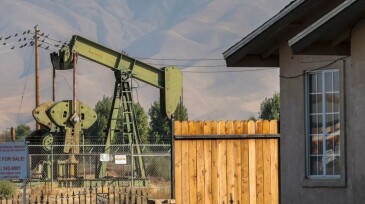
A campaign for a statewide initiative to require buffer zones around new oil and gas wells raises the possibility that California voters could see two similar measures on the November 2024 ballot.
-
In one of the largest studies of its kind, the authors set out to identify trends and common factors of serious injuries and fatalities in order to identify strategies to reduce the risk.
-
The two main value drivers of the project were to minimize health, safety, and environmental effects and reduce greenhouse-gas emissions in line with the company’s goal of moving toward net zero by 2050 and to maximize hydrocarbon recovery.
-
The projects are expected to remove more than 2 million metric tons of CO2 emissions annually from the atmosphere.
-
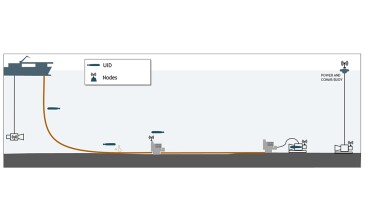
The paper presents an overview of underwater inspection drones and identifies the necessary elements to take full advantage of the technology.