HSE & Sustainability
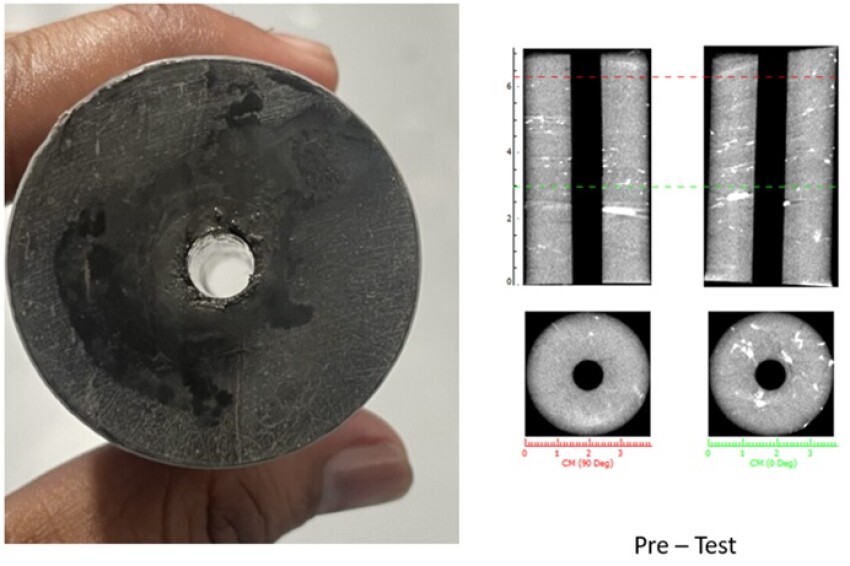
An investigative study examines the use of creeping shale formations as a more durable alternative to conventional cement barriers in carbon dioxide storage wells, potentially enabling safer long-term underground carbon storage.

The companies have released the Event Learning Taxonomy CLUE, which aims to improve the understanding of incidents beyond individual blame and toward clearer reporting and increased learning.
A memorandum of understanding between the companies targets technical services for safety and performance across Egypt’s onshore and offshore assets.
-
 New research from DNV GL reveals that 46% of senior professionals in the oil and gas sector believe there has been underinvestment in inspection and maintenance of infrastructure and equipment in recent years.
 -
The Norwegian Petroleum Safety Authority has completed its investigation of a fatal accident on 7 December 2017 on the Maersk Interceptor, where one person was killed and another seriously injured. Several breaches of the regulations have been identified.
-
The US Environmental Protection Agency (EPA) is embarking on a new study that will take a holistic look at how the EPA, states, and stakeholders regulate and manage waste water from the oil and gas industry.
-
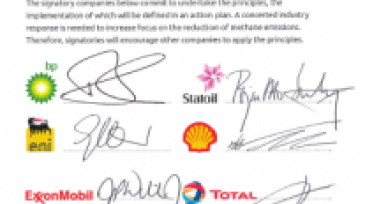
Three global energy industry associations have signed on to the Methane Guiding Principles to increase focus on reducing methane emissions across the natural gas value chain.
-
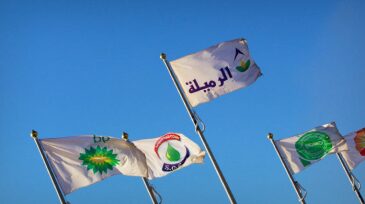
Forging an authentic and meaningful brand for major projects in complex and challenging regions is an under-rated tool for managing risk—but not at the Rumaila oilfield in Southern Iraq.
-
The Lloyd's Register Safety Accelerator is designed to bring together technology companies and industry to test innovative digital solutions to critical safety and risk challenges.
-
Figures from a 2017 study on trends in risk level in the petroleum activity show progress for a number of risk indicators. But serious personal injuries are growing, while feedback on the working environment, the HSE climate and perceived risk is moving in the wrong direction.
-
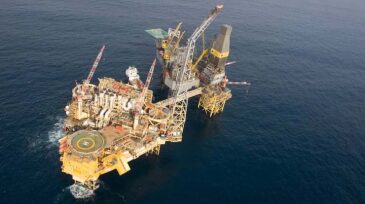
The Health and Safety Executive (HSE) has warned the UK’s offshore oil and gas operators that they must do more to tackle hydrocarbon releases in the North Sea after coming “perilously close to disaster” in recent years.
-
Unmanned aerial systems (UAS) are lightweight, low-cost aircraft platforms operated from the ground that can be outfitted with imaging or nonimaging payloads. UASs offer health, safety, and environment professionals a promising opportunity to reduce risks by keeping people out of harm’s way.
-
British Columbia is seeking to enhance its regulatory spill response regime across the province by way of a phased approach. Phase 2 is currently under way, and comments on this process are due by the end of April 2018.