HSE & Sustainability
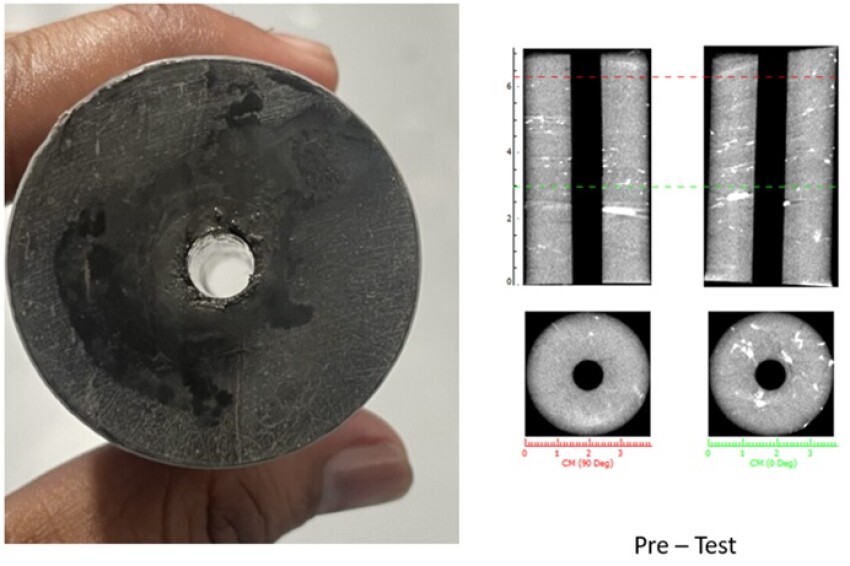
An investigative study examines the use of creeping shale formations as a more durable alternative to conventional cement barriers in carbon dioxide storage wells, potentially enabling safer long-term underground carbon storage.

The companies have released the Event Learning Taxonomy CLUE, which aims to improve the understanding of incidents beyond individual blame and toward clearer reporting and increased learning.
A memorandum of understanding between the companies targets technical services for safety and performance across Egypt’s onshore and offshore assets.
-
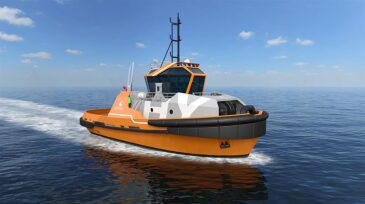
 Wärtsilä plans to develop a harbor tug design to maximize ecological operational sustainability to be used a new port facility being built in the Brazilian city of São Mateus, which will have environmental demands among the most stringent in the world.
 -
More than a year ago, Ramanan Krishnamoorti and his team at the University of Houston started working on a predictive model that could alert oil and gas company employees when a problem might arise—and how to mitigate it.
-
Workers exposed to extreme cold or who work in cold environments may be at risk for cold-related illnesses and injuries.
-
Belize, home of the largest barrier reef in the western hemisphere, has permanently suspended oil operations in its ocean waters.
-
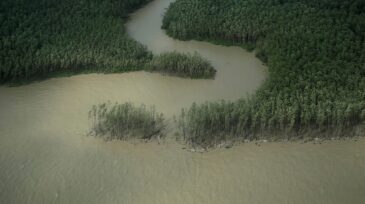
Oiapoque, surrounded by mangroves and close to a recently discovered 600-mile reef, is divided over what BP and Total might bring and what they might destroy.
-
Australia’s peak body for lung health professionals is demanding a national response after hearing that work-related lung diseases are on the rise.
-
In response to a Presidential Order to reduce undue burden on industry, the Bureau of Safety and Environmental Enforcement has completed a comprehensive review of the Production Safety Systems regulations.
-
Recommendations to reduce risks related to gas-release hazards were issued to the offshore oil and gas industry on 5 January. The Bureau of Safety and Environmental Enforcement released a Safety Alert highlighting the findings of its Gulf of Mexico-wide inspection effort.
-
The paper describes a structured methodology for evaluation and visualization of technical integrity for oil and gas production and processing plants and explains how it is used to decide on technical conditions and assess risk and mitigating actions.
-
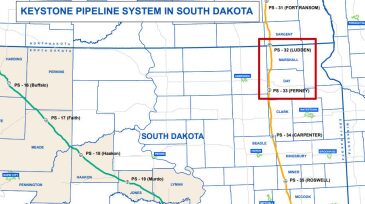
Weights used in the original construction of TransCanada’s Keystone Pipeline in South Dakota were identified as a preliminary cause of the failure that resulted in a 210,000-gal spill in November.