HSE & Sustainability
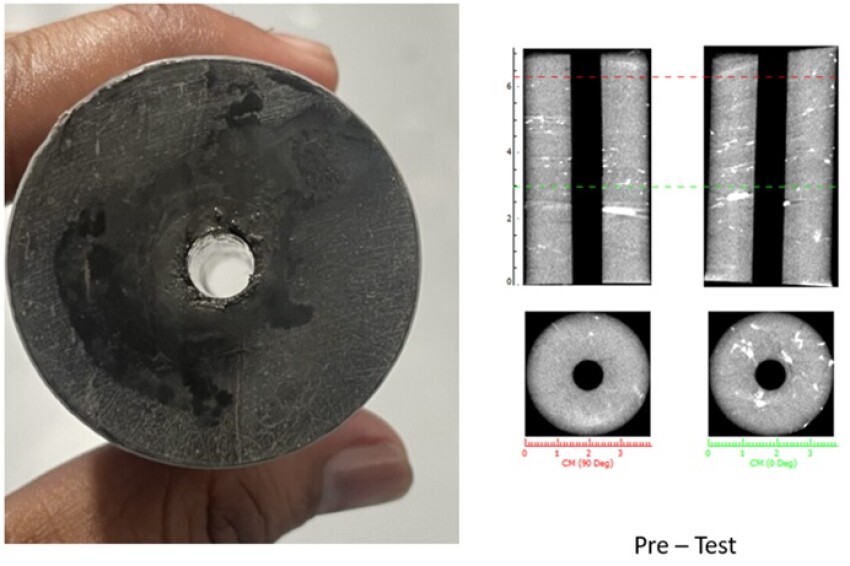
An investigative study examines the use of creeping shale formations as a more durable alternative to conventional cement barriers in carbon dioxide storage wells, potentially enabling safer long-term underground carbon storage.

The companies have released the Event Learning Taxonomy CLUE, which aims to improve the understanding of incidents beyond individual blame and toward clearer reporting and increased learning.

A memorandum of understanding between the companies targets technical services for safety and performance across Egypt’s onshore and offshore assets.
-
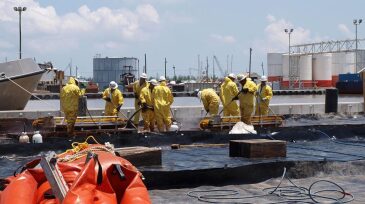
 Workers who were likely exposed to dispersants while cleaning up the 2010 Deepwater Horizon oil spill experienced a range of health symptoms including cough and wheeze and skin and eye irritation, according to scientists at the National Institutes of Health (NIH).
 -
The Pipeline and Hazardous Materials Safety Administration (PHMSA) is cracking down on smaller violations in the crude oil, petroleum, and hazardous liquid industries to combat a slow rise in the number of pipeline accidents.
-
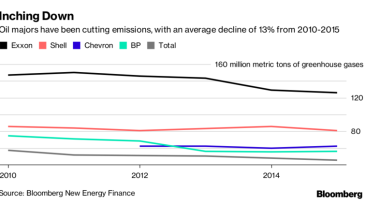
It’s no secret that oil majors are among the biggest corporate emitters of pollution. What may be surprising is that they’re reducing their greenhouse-gas footprints every year, actively participating in a trend that’s swept up most corporate behemoths.
-
Getting rid of wastewater from onshore wells has become an increasingly costly problem for oil producers as US crude output surged in recent years, especially in the new shale fields from Texas to North Dakota.
-
The results of a virtual reality (VR) safety simulator and gaming experience presented by Lloyd’s Register at SPE Offshore Europe suggest that more needs to be done in training and understanding the daily risks of oil rig maintenance and operation.
-
Onshore and offshore production in Texas and the Gulf of Mexico continues to recover to pre-Hurricane Harvey levels as inspections and assessments of damages are done. Operators have not reported major damages resulting in extended shut-ins.
-
The Mexican government continues to update its environmental regulations as authorities prepare for the first exploration and production (E&P) auction to feature blocks with unconventional oil and natural gas resources.
-
A consortium of organizations has set out to tackle one of the more enduring challenges in the North Sea: the nondestructive testing (NDT) of corroded pipes under insulation and engineered temporary pipe wraps.
-
There are downsides to a "hearts and minds" behavioral safety approach. The original "hearts and minds" program is instructional in this regard.
-
As of 4 September, BSEE has not received any damage reports from evacuated platforms or rigs in the path of Hurricane Harvey. A small number of facilities remain evacuated.