HSE & Sustainability

The 2025 report confirms for the second year that the Appalachian Basin has the lowest methane intensity of any major oil and gas basin in the US.

The North Sea Transition Authority has advanced the UK’s plans for carbon storage by approving the drilling of a proposed appraisal well off the coast of Teesside.

Smart Seismic Solutions plans to use 50,000 nodes to examine storage potential for the Greenstore CCS project.
-
 This paper examines the economics of carbon capture, usage, and storage projects, either standalone or in conjunction with large offshore gas projects, in Denmark, Indonesia, and Australia.
 -
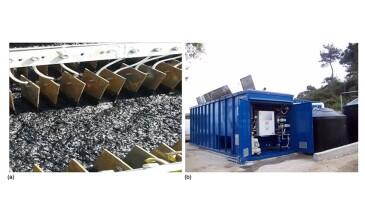
This work investigates a cost-effective and sustainable alternative to acidification for sheen control.
-
The authors of this paper discuss how intelligent completions in the Gulf of Mexico have allowed for increased production, reduction in operating expenses, enhanced overall reservoir recovery, and improved safety and environmental performance.
-
At SPE’s Permian Basin Energy Conference, operators shared behind-the-scenes details on innovations such as drilling horseshoe wells and trimulfrac completions along with in-basin challenges such as handling produced water.
-
The paper aims to address the challenges and opportunities in managing produced water and its contaminants in the petroleum industry.
-
This paper describes the development of guidelines to determine the most suitable corrosion-resistant alloys for downhole injection equipment in wells for carbon capture and storage and carbon capture, use, and storage.
-
The industry no longer considers the water as only a logistical problem. Now, it is a front-and-center component of any life-cycle planning.
-
DNV has certified the feasibility of ADNOC’s West Aquifer carbon dioxide storage site in the UAE, marking a significant milestone in the Middle East’s carbon capture and storage efforts.
-
The plan calls for developing a gas field, CCUS, and onshore compression, with first production expected in 2028.
-
Wood Mackenzie analysis projects a full repeal of the Inflation Reduction Act is unlikely, while industry proponents urge permitting overhaul and loosening of burdensome regulations.