HSE & Sustainability

The 2025 report confirms for the second year that the Appalachian Basin has the lowest methane intensity of any major oil and gas basin in the US.

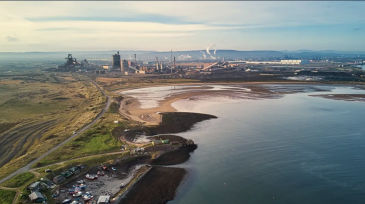
The North Sea Transition Authority has advanced the UK’s plans for carbon storage by approving the drilling of a proposed appraisal well off the coast of Teesside.

Smart Seismic Solutions plans to use 50,000 nodes to examine storage potential for the Greenstore CCS project.
-
 The acquisition will add water infrastructure in both the Midland Basin of west Texas and the Williston in North Dakota.
 -
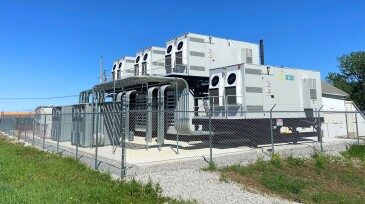
The drilling contractor is spending big to deploy natural-gas-powered microgrids and battery storage.
-
Permits for the East Side Cluster carbon storage project have been awarded, and participants have begun announcing final investment decisions.
-
The environmental impact statement is a required step before another lease sale can be held in the Gulf of Mexico, a move welcomed by the oil and gas industry.
-
Undocumented orphaned wells pose hazards to both the environment and the climate. Scientists are building modern tools to help locate, assess, and pave the way for ultimately plugging these forgotten relics.
-
The upstream oil and gas sector alone could cut as much as 4% of global greenhouse-gas emissions, according to a report from McKinsey. But this will take worldwide cooperation among industry players and capital investors.
-
This paper presents a method of geomechanical-risk screening and gives examples of its positive effect on the company’s safety standards through implementation of integrated solutions to prevent or mitigate the risks.
-
Sharing state-of-the-art design and troubleshooting methods, the workshop identified future separation needs and gap statements and proposed how to close the gaps.
-
The authors of this paper discuss how intelligent completions in the Gulf of Mexico have allowed for increased production, reduction in operating expenses, enhanced overall reservoir recovery, and improved safety and environmental performance.
-
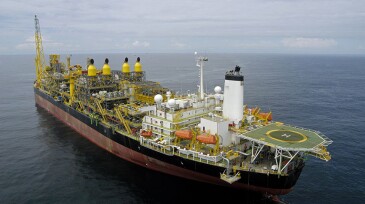
This paper presents the operator’s learnings in evaluating the routine of a floating production, storage, and offloading asset crew to identify scenarios for the application of robotics in day-to-day offshore activities.