HSE & Sustainability
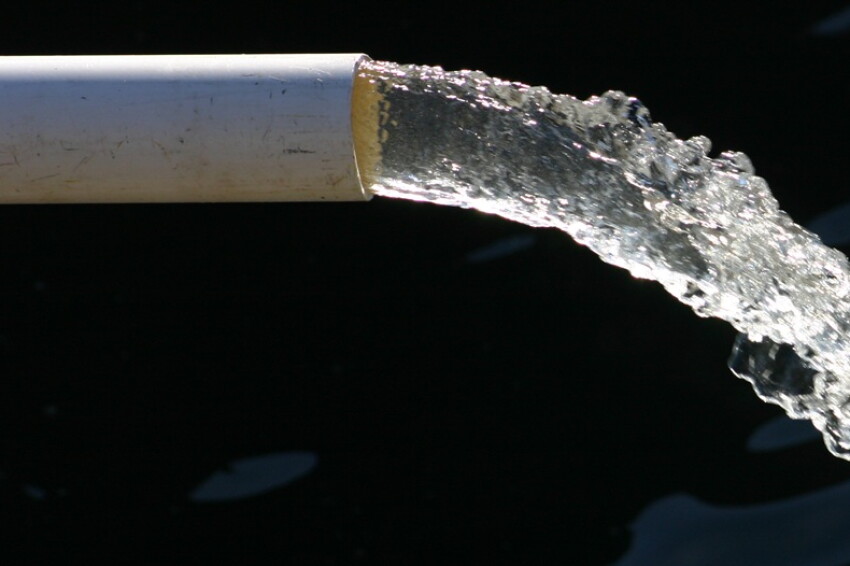
This paper presents an approach to the identification, selection, and implementation of initiatives for sustainable water management, withdrawal reduction, and water valorization.

This paper explores the application of a modular, high-temperature gas-cooled nuclear reactor to a Very Large Crude Carrier-class floating production, storage, and offloading vessel.

This paper describes the potential of combined-cycle technology (use of a gas turbine and a steam turbine together to turn fuel into electricity) in offshore carbon-capture applications.
-
 From 2013 to 2018, the number of terrestrial and marine spills reported in Trinidad and Tobago trended upward. The country’s Ministry of Energy and Energy Industries assessed its National Oil Spill Contingency Plan (NOSCP) with the Readiness Evaluation Tool for Oil Spills and identified gaps in national legislation, risk management, logistics, training and exercises, …
 -
Virtue signaling alone is not a viable strategy to deal with climate issues. However, virtue signaling best leads to “virtuous” behavior. A company motivated only by appearances will face forces to keep up appearances. As firmer pressure teed up, voluntary corporate and national commitments to net-zero emissions have grown exponentially.
-
The DS-16 is one of four Valaris rigs undergoing reactivation work for new drilling contracts.
-
The organization, formerly known as the Oil and Gas Technology Centre, will run its Open Innovation Programme starting on 16 March, focusing on seven technology areas.
-
A new generation of detectors will be many times better at tracking discharges of the dangerous greenhouse gas.
-
The energy transition and digitalization transition are not to be feared. While the rate of change will accelerate, very little of true value will be lost and the transitions instead offer a variety of incremental opportunities, especially for members of the production and facilities community.
-
Storing captured carbon requires a receptacle, and existing reservoirs are just the thing. But which ones?
-
Oil producers encountering pockets of methane typically use flare stacks to burn off the vented gas. However, winds blowing across conventional open flame burners often result in 40% or more of the methane escaping into the air.
-
UK offshore oil and gas producers are moving closer to the region's goal of achieving zero routine flaring by 2030.
-
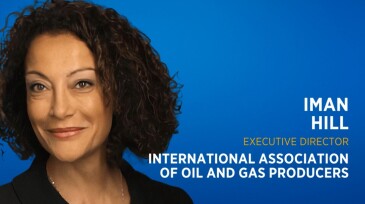
During a fireside chat on SPE Live, Iman Hill, the executive director of the International Association of Oil and Gas Producers, discussed market recovery, the energy transition, diversity in the oil and gas industry, and the future of the industry.