HSE & Sustainability
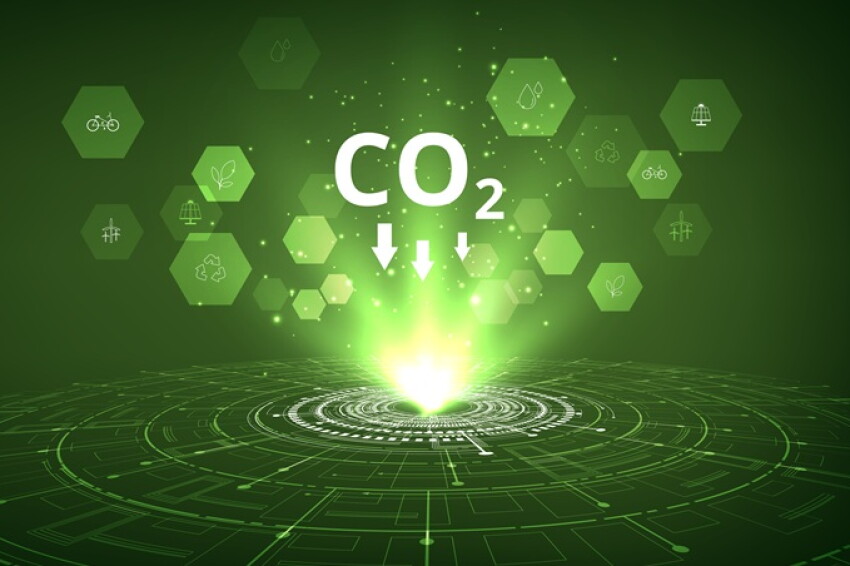
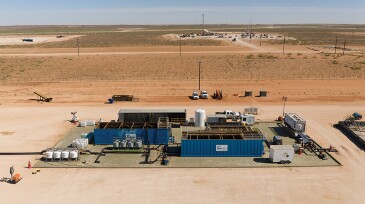
The Pawnee Carbon Sequestration Project, which would use a repurposed well, is planned to capture and store up to 400,000 tonnes of carbon dioxide, with first injection targeted for early 2027.

DNV notes that energy and industrial process-related carbon emissions will have dropped by 2050 by only 44% from today’s level, not even halfway to the net-zero pledge envisioned by the Paris climate agreement.

SPE's new Asset Integrity Technical Section brings together industry experts to advance best practices in reliability engineering, asset integrity, risk reduction, and infrastructure performance. The global community will focus on the safe, reliable, and sustainable operation of energy assets across both traditional and emerging energy sectors.
-
 When it comes to produced water from US shale plays, it’s either recycle and reuse or throw it away—and both are easier said than done.
-
The authors write that polymeric additives are effective in the design of complex systems to house important chemical reagents under challenging conditions.
-
While uncertainties remain for the coming year, there is also optimism for the upstream industry, a welcome prospect following two sharp downcycles in less than 6 years.
-
Selling reservoirs’ empty pore space may become a new, big business.
-
The plan includes the development and operation of a first-of-its-kind high-voltage, direct-current (HVDC-VSC) subsea transmission system in the Middle East and North Africa region.
-
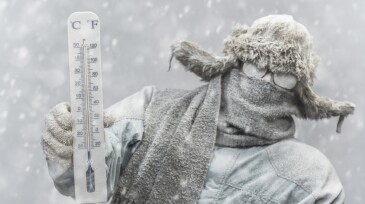
If you’ve lived in areas with cold winters—really cold winters—you’ll applaud this research. It holds the potential to further the goal of decarbonization of the building industry plus improve comfort.
-
Natural gas delivered as LNG to growing economies in Asia has a strong role to play in achieving net zero in carbon emissions, and most of that gas will come from unconventional resources.
-
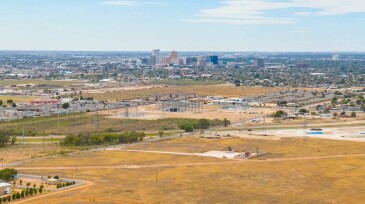
Operators will not be able to inject wastewater below 10,000 ft in the Gardendale area.
-
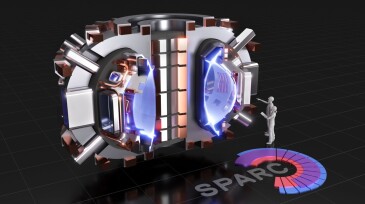
New investment, maturity in nuclear fusion technology could be the key to meeting lofty emissions goals.
-
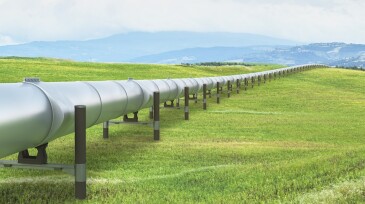
While the world focuses on carbon dioxide—its problems and its uses—many are looking at how to move it around. Fortunately, a pipeline infrastructure already exists. Unfortunately, the pipelines were made for natural gas and not enough is known about how that infrastructure can handle carbon dioxide.