HSE & Sustainability
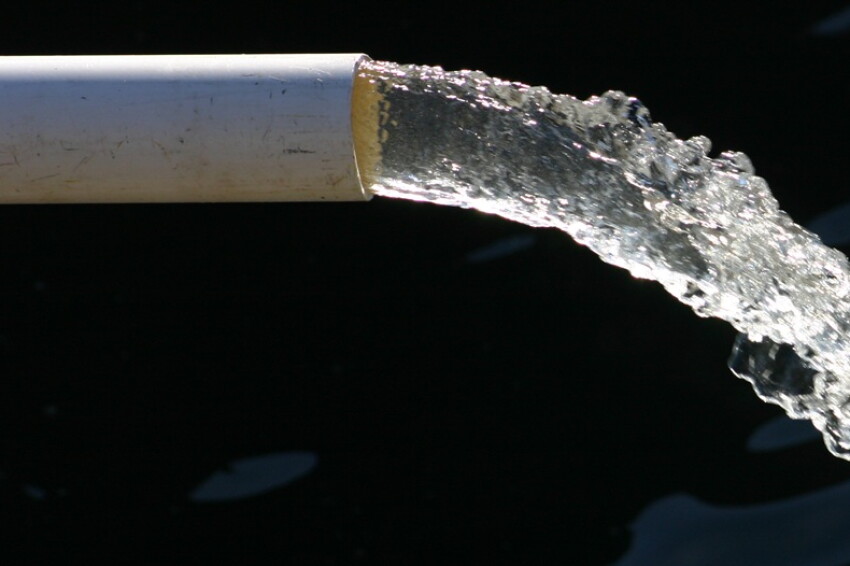
This paper presents an approach to the identification, selection, and implementation of initiatives for sustainable water management, withdrawal reduction, and water valorization.

This paper explores the application of a modular, high-temperature gas-cooled nuclear reactor to a Very Large Crude Carrier-class floating production, storage, and offloading vessel.

This paper describes the potential of combined-cycle technology (use of a gas turbine and a steam turbine together to turn fuel into electricity) in offshore carbon-capture applications.
-
 The authors write that even simple deep-learning architectures can identify a leak using pressure data.
 -
We need to analyze the carbon intensity of reserves, the potential emissions that are in front of us, not just the carbon intensity of current operations. An engineering solution associated with production forecasts over time offers a framework for thinking through the carbon-emissions issue.
-
For the entities formerly—and, sometimes, still—known as oilfield service companies, the energy transition presents new business challenges and opportunities. How are they managing?
-
SPE papers and events that covered decarbonization during the past year show that a wide variety of solutions already exist that avoid, reduce, replace, offset, or sequester greenhouse gas (GHG) emissions. It is clear, therefore, that decarbonization technologies will now be as important as 4D seismic, horizontal wells, and hydraulic fracturing.
-
Are you trying to stay up to date about developments aimed at energy transition efforts in our industry? This roundup of news presents some of the recent announcements. Visit SPE’s HSE Now for more news.
-
The oilfield service giant said its plans to decarbonize are inclusive of Scope 3 emissions, or the emissions generated when customers use its technologies.
-
This paper describes a project whose objective was to define a costing methodology that showed indicative costs and effects of recordable safety incidents in an organization. This project’s main aim was to raise awareness, through a cost calculator, of occupational health and safety by placing a measurable dollar value to recordable safety incidents.
-
The US producer is aiming for net-zero greenhouse-gas emissions related to both Scope 1 and Scope 2 categories over the next 3 decades.
-
The midstream operators plan to have the CO2 pipeline network operational as soon as 2025 and flowing at full stream by 2027.
-
The 2020 tally from the International Association of Oil and Gas Producers shows that fatalities decreased from the previous year.