HSE & Sustainability
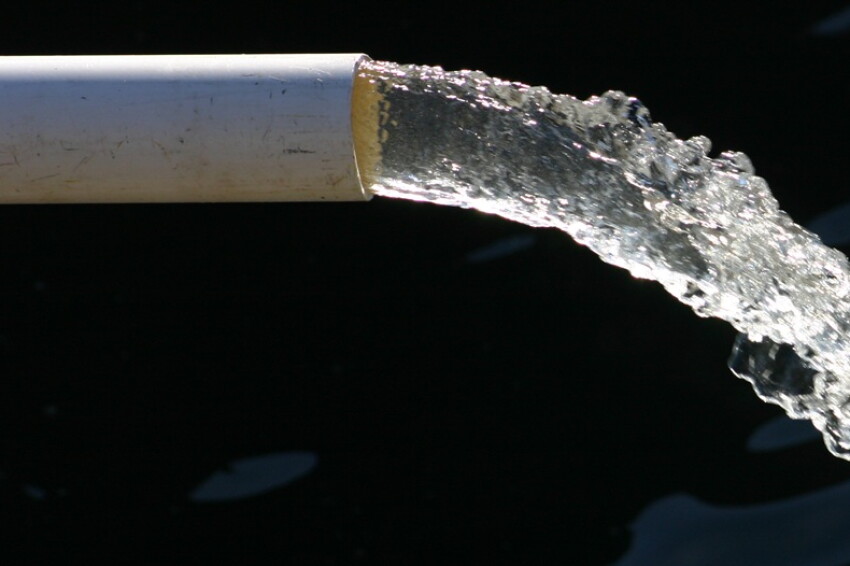
This paper presents an approach to the identification, selection, and implementation of initiatives for sustainable water management, withdrawal reduction, and water valorization.

This paper explores the application of a modular, high-temperature gas-cooled nuclear reactor to a Very Large Crude Carrier-class floating production, storage, and offloading vessel.

This paper describes the potential of combined-cycle technology (use of a gas turbine and a steam turbine together to turn fuel into electricity) in offshore carbon-capture applications.
-
 We can long for things to return to "normal," and they may to some extent. But the changes in our culture that the pandemic brought will have a lasting impact.
 -
This paper presents a ubiquitous sensing network that has been developed, tested, and piloted at several oil and gas facilities as well as at an in-house simulated well site. The system integrates wireless methane sensor nodes, weather sensors, and other edge devices for autonomous operation.
-
The oilfield service company said it expects to set emissions-reduction targets by next year to meet the goals of the Paris Accord.
-
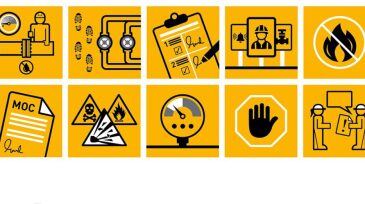
The International Association of Oil and Gas Producers developed its Process Safety Fundamentals report to support companies as they seek to reduce, and ultimately eliminate, severe and fatal process-safety events.
-
The new tool offers global insights for tracking the progress in the transition to low-carbon energy systems.
-
To reach their targets for carbon neutrality, many oil and gas producers are investing in other energy industries. This US company will instead get there by investing more in its oil fields.
-
Oil and gas producers in the state are being asked to submit data and economic analysis on why they cannot sell natural gas before they are granted permission to flare it.
-
Commissioners approved a revamped form that will be used by oil and gas operators to apply for an exception to flare gas during oil and gas operations. The form provides specific guidance on when an exception to flare would be permissible, under which circumstances, and for how long.
-
The EPA and Interior Department under President-elect Joe Biden will have a range of tools at their disposal to start undoing President Donald Trump’s deregulatory agenda on the environment, according to former agency officials, lawyers, and environmentalists.
-
Within the mining industrial sector, workers in mining and oil and gas extraction have shown disparities in chronic health status compared with the general working population. This study separately compares chronic illnesses in retired miners and oil and gas workers with all other retirees.