HSE & Sustainability
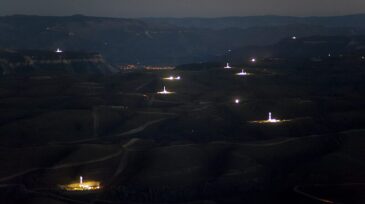
The Pawnee Carbon Sequestration Project, which would use a repurposed well, is planned to capture and store up to 400,000 tonnes of carbon dioxide, with first injection targeted for early 2027.

DNV notes that energy and industrial process-related carbon emissions will have dropped by 2050 by only 44% from today’s level, not even halfway to the net-zero pledge envisioned by the Paris climate agreement.

SPE's new Asset Integrity Technical Section brings together industry experts to advance best practices in reliability engineering, asset integrity, risk reduction, and infrastructure performance. The global community will focus on the safe, reliable, and sustainable operation of energy assets across both traditional and emerging energy sectors.
-
 The Alberta Energy Regulator has suspended a wide array of environmental monitoring requirements for oilsands companies over public health concerns raised by the COVID-19 pandemic.
-
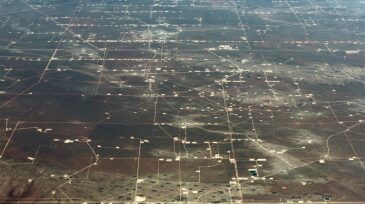
Tracking down fugitive emissions has traditionally relied on small-scale detection efforts. This new project seeks to buck the trend by covering the Permian Basin with sensors.
-
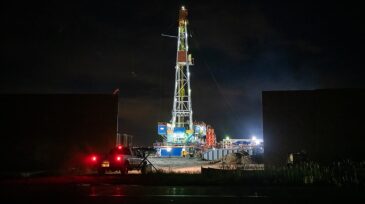
The number of temporarily abandoned oil and gas wells is up 37% from last year, but Colorado regulators say they still have the time—and money—to inspect them.
-
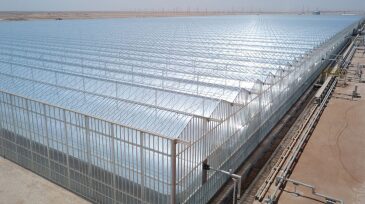
GlassPoint Solar was founded in 2008 to replace the use of natural gas for steamflooding heavy-oil reservoirs. But amid low energy prices, its chief investor has decided to pull the plug for good.
-
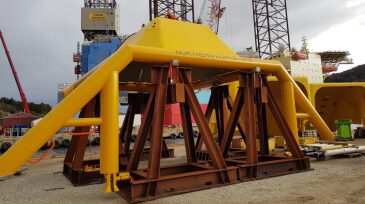
An investment decision this year would sanction Norway’s first CO2 storage project. Phase 1 is expected to be operational in 2024.
-
After years of negotiations, the province announced that it had reached a preliminary agreement with the federal government that it calls a “major step toward providing Alberta’s oil and gas industry a single set of strong rules to reduce methane emissions and protect the environment.”
-
Scientists have developed a new type of self-assembling silver membrane that could be used to capture carbon dioxide emissions before they have a chance to spread in the atmosphere.
-
As the oil industry faces bankruptcies and shutdowns, a new analysis uncovers low inspection rates and almost no financial penalties—with a handful of exceptions.
-
Communities reliant on the oil and gas industry say it may take years, not months, to bounce back from the coronavirus pandemic that’s ravaging local economies.
-
US energy-related carbon dioxide emissions declined by 2.8% in 2019 to 5,130 million metric tons, according to data in the US Energy Information Administration’s Monthly Energy Review. Carbon dioxide emissions had increased by 2.9% in 2018, the only annual increase in the past 5 years.