HSE & Sustainability
This paper presents an approach to the identification, selection, and implementation of initiatives for sustainable water management, withdrawal reduction, and water valorization.

This paper presents an experiment investigating dissolution of basaltic primary minerals and conditions favorable for secondary phase formation under deep subsurface storage conditions.

This study aims to investigate the efficacy of chemical additives strontium chloride and barium hydroxide in accelerating CO₂ trapping mechanisms, their effect on dissolution of carbonate-bearing minerals, and resulting poroelastic changes in the host rock.
-
 Between 2000 and 2017, the suicide rate in the US increased by 40%, with blue-collar workers in industries such as mining, oil and gas extraction, construction, agriculture, transportation, and warehousing most at risk, according to a new study from the Centers for Disease Control and Prevention.
 -
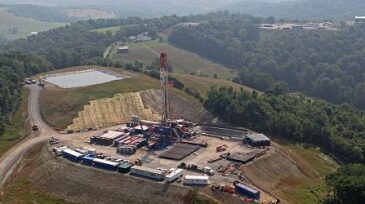
Oil and gas wells produce nearly a trillion gallons of toxic waste a year. An investigation shows how it could be making workers sick and contaminating communities across America.
-
The group’s mission is to end human trafficking by preventing exploitation, educating the community, and empowering survivors.
-
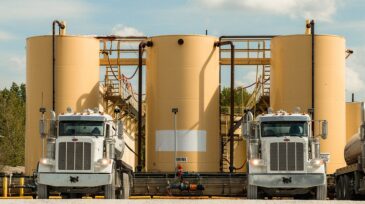
Produced water is an inevitable byproduct of oil and gas production. The use of online oil-in-water monitors plays an important role in the management of produced water.
-
Carbon storage is perhaps the only viable option for reducing carbon to the levels that many governments have agreed are important, and EOR is the only proven technology that can be made ready in the time and at the scale required to accomplish this reduction worldwide.
-
Wood Mackenzie expects the ongoing outbreak and disruption to the world’s second largest economy to be a one-off event, yet it could remove at least 500,000 B/D of crude demand in the short term.
-
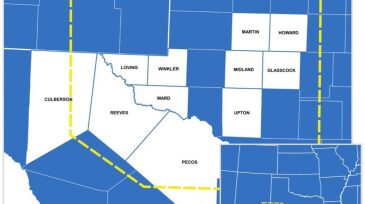
Layne Water Midstream has amended its agreement with the Texas General Land Office to gain exclusive right for reuse and disposal of produced water in the Delaware Basin.
-
While renewable energy sources are poised to see major growth, possibly displacing natural gas as the top source of electricity in the US, hydrocarbon production will remain above or near current historical highs until at least 2050.
-
A partnership between academic researchers and two energy companies will build new evidence-based tools to enhance safety by examining whether simple exercises designed to increase mindfulness can reduce the risks.
-
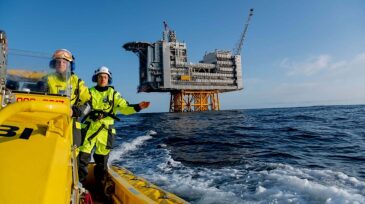
The Swedish oil and gas producer is aiming to produce 200,000 B/D while offsetting the entirety of its carbon footprint.