HSE & Sustainability
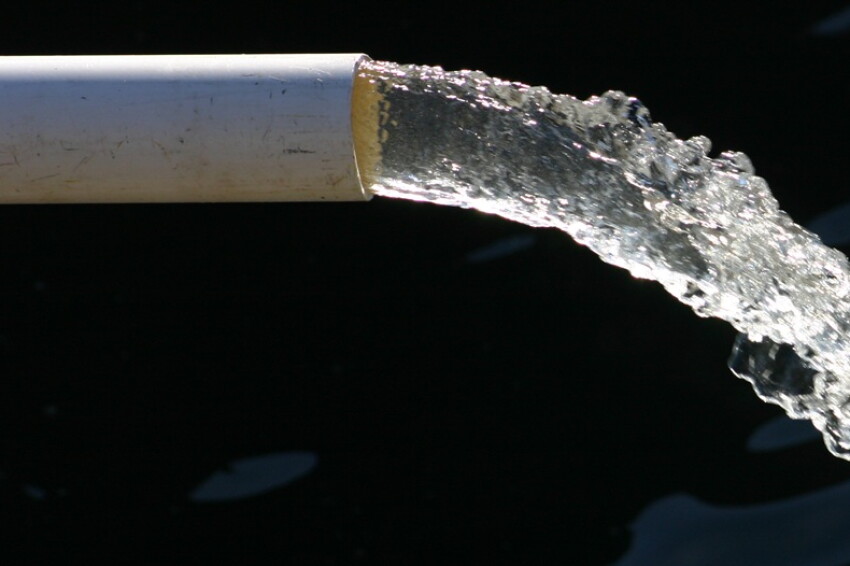
This paper presents an approach to the identification, selection, and implementation of initiatives for sustainable water management, withdrawal reduction, and water valorization.

This paper presents an experiment investigating dissolution of basaltic primary minerals and conditions favorable for secondary phase formation under deep subsurface storage conditions.

This study aims to investigate the efficacy of chemical additives strontium chloride and barium hydroxide in accelerating CO₂ trapping mechanisms, their effect on dissolution of carbonate-bearing minerals, and resulting poroelastic changes in the host rock.
-
 Among the awards to be presented at SPE’s 2019 Annual Technical Conference and Exhibition is the inaugural Sustainability and Stewardship in the Oil and Gas Industry Award, which was earned by Karen Olson with Southwestern Energy.
 -
CIS has been awarded the President’s Award for Occupational Health and Safety from the UK’s Royal Society for the Prevention of Accidents.
-
In June 2016, GHGSat launched the world’s first satellite capable of measuring greenhouse-gas emissions from targeted industrial facilities around the world. This paper describes the system, including sensor and satellite specifications.
-
Impact and environmental/social/governance investing are reshaping adviser and investor relations. They are fast becoming the business model of the future, with investors exercising a greater degree of diligence on how their investments are bringing wider benefits.
-
Oil and gas performance specialist Salos has teamed up with a human behavior consultancy to reduce health and safety risks in the sector. The Aberdeen-based business has worked closely with HFB Consulting over the past year to create an aviation training plan tailored to the oil and gas industry.
-
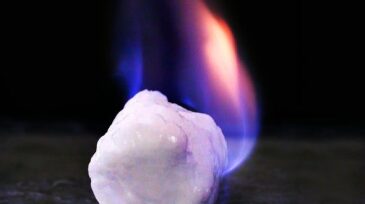
Sending atmospheric carbon dioxide into underground methane hydrates could clean the air and create revenue.
-
The Petroleum Authority of Uganda, together with the Ministry of Health and the Uganda Health Federation, held a one-day conference to discuss health investment opportunities in the oil and the gas sector while highlighting the standards expected.
-
The acquisition will add to the group’s offerings aimed at environmental impact assessments and project approvals.
-
The practice of safety has a definite ethical component. Often, the most ethical actions to take are obvious, such as the choice between a legal action and an illegal one. Other times, there are many considerations that may cloud decision-making.
-
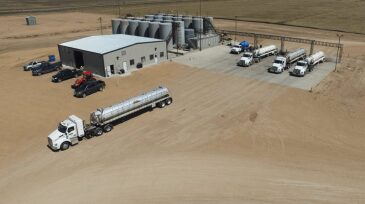
The Permian gets the lion’s share of attention when it comes to produced water, but other basins have a need to haul volumes off-site. How has the market changed in these areas recently? Is there a greater enthusiasm for pipelines, and can water midstream thrive?