HSE & Sustainability
The Pawnee Carbon Sequestration Project, which would use a repurposed well, is planned to capture and store up to 400,000 tonnes of carbon dioxide, with first injection targeted for early 2027.

DNV notes that energy and industrial process-related carbon emissions will have dropped by 2050 by only 44% from today’s level, not even halfway to the net-zero pledge envisioned by the Paris climate agreement.

SPE's new Asset Integrity Technical Section brings together industry experts to advance best practices in reliability engineering, asset integrity, risk reduction, and infrastructure performance. The global community will focus on the safe, reliable, and sustainable operation of energy assets across both traditional and emerging energy sectors.
-
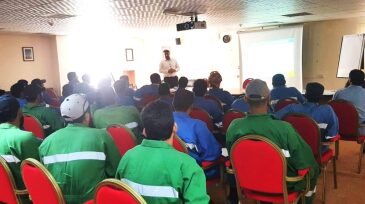
 This paper provides an overview of the company’s journey toward preventing significant process-safety incidents. Each step involved in this journey plays a key part. By focusing the improvement of the process on individual steps, the overall learning process has improved significantly.
-
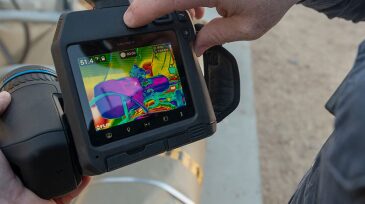
Thermal imaging helps operators maintain regulatory compliance on methane-emissions requirements. Optical gas imaging technology may be an answer in allowing for faster, more efficient inspections, but there are hurdles to its adoption. How can its widespread use become a reality?
-
On Earth Overshoot Day, humanity will have used nature’s resource budget for the entire year, according to the Global Footprint Network, an international sustainability organization. Earth Overshoot Day has moved up 2 months over the past 20 years to 29 July this year, its earliest date ever.
-
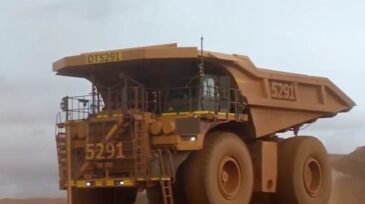
BHP announced a 5-year, $400-million Climate Investment Program to develop technologies to reduce emissions from its operations as well as those generated from the use of its resources.
-
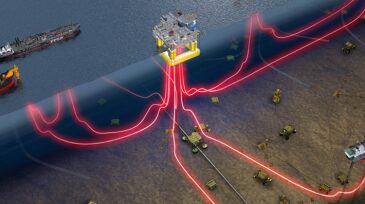
Concern has been growing in the oil and gas industry about the high frequency of mooring line failures. While physical tension sensors can be difficult and costly to maintain, machine learning has shown to be a more-accurate and less-costly method for structural integrity assessment.
-
Getting water is a big issue for those who fracture wells, as is the disposal of it. The number of companies investing in water facilities and reuse, though, remains a minority.
-
A recent episode involving three, allegedly Iranian, vessels and a British-flagged tanker near the Strait of Hormuz is just one of the recent events of this nature. This analysis looks at these events, the threat they pose, and how the strategy to protect oil flow from the Persian Gulf is evolving.
-
CIS has been awarded the President’s Award for Occupational Health and Safety from the UK’s Royal Society for the Prevention of Accidents.
-
Mothers living near more-intense oil and gas development activity have a 40–70% higher chance of having children with congenital heart defects compared with those living in areas of less-intense activity, according to a new study.
-
A new package of regulations governing workers’ safety in the oil and gas sector in Guyana is being crafted, said the country's occupational safety and health consultant at the Ministry of Social Protection, Gwyneth King.