HSE & Sustainability
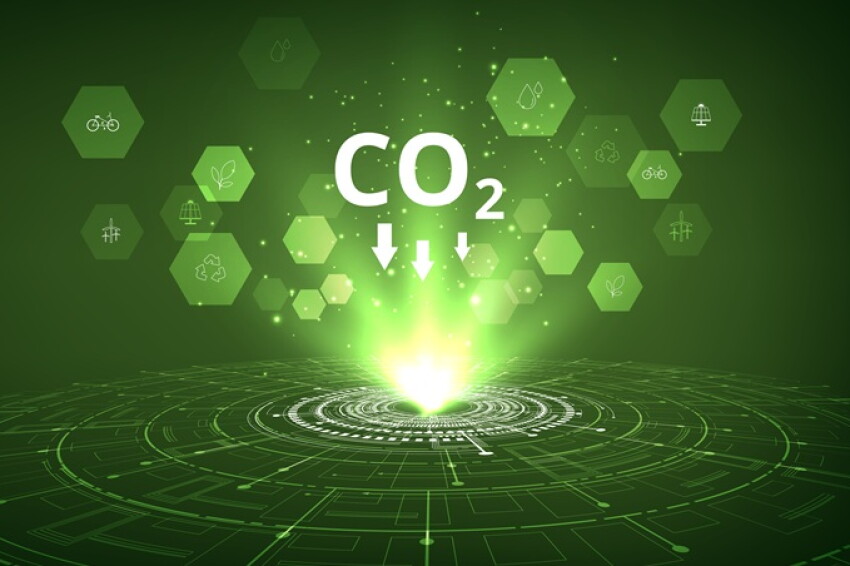
The Pawnee Carbon Sequestration Project, which would use a repurposed well, is planned to capture and store up to 400,000 tonnes of carbon dioxide, with first injection targeted for early 2027.

DNV notes that energy and industrial process-related carbon emissions will have dropped by 2050 by only 44% from today’s level, not even halfway to the net-zero pledge envisioned by the Paris climate agreement.

SPE's new Asset Integrity Technical Section brings together industry experts to advance best practices in reliability engineering, asset integrity, risk reduction, and infrastructure performance. The global community will focus on the safe, reliable, and sustainable operation of energy assets across both traditional and emerging energy sectors.
-
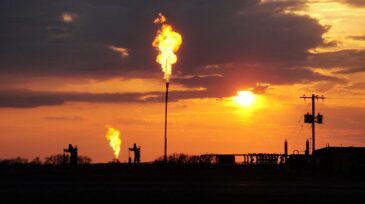
 Natural-gas production in the United States has increased 46% since 2006, but there has been no significant increase of total US methane emissions and only a modest increase from oil and gas activity, according to a new NOAA study.
-
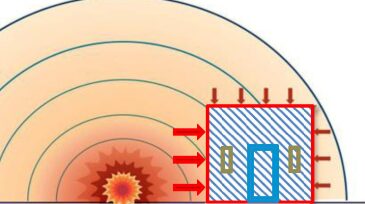
Buildings that are manned or house critical equipment ideally will be a safe distance from potential explosions. Maintaining the required stand-off distance, however, is not always possible. This paper discusses challenges and best practices for blast protection of plant buildings.
-
Range Resources announced the release of its Corporate Sustainability Report, highlighting the company’s efforts and commitments to responsibly develop natural gas.
-
Up to 1,000 gallons of oil per day are being removed from the site of the Taylor Energy spill, says the owner of the company that installed a containment system.
-
The report details information obtained during the EPA’s outreach to stakeholders. The information in the report will help the EPA determine whether any future actions are appropriate to address oil and gas extraction waste water further.
-
A parade of hundreds of Waorani, members of an indigenous nation in a remote part of the Amazon, marched triumphantly through the streets of Puyo, Ecuador, celebrating a court ruling that held that the Ecuadorian government could not auction off their land for oil exploration without their consent.
-
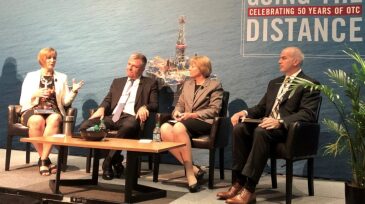
Digitalization and new technologies are disrupting old practices and shaping a new safety landscape for the oil and gas industry. At OTC, a panel sponsored by the Center for Offshore Safety looked at the effects of some of these new technology trends.
-
Behavior is neutral. This simple mantra will set your safety program free of the dysfunctions that kill your safety culture. Behavior is not right or wrong, good or bad. It just is. Approach behaviors with the dispassionate, objective view of a scientist.
-
ExxonMobil has committed $100 million over 10 years to work with the National Renewable Energy Laboratory and the National Energy Technology Laboratory to bring lower-emissions technology to commercial scale.
-
The National Institute for Occupational Safety and Health has developed an evidence-based method that uses the criteria of "burden," "need," and "impact" to identify research priorities.