HSE & Sustainability
The Pawnee Carbon Sequestration Project, which would use a repurposed well, is planned to capture and store up to 400,000 tonnes of carbon dioxide, with first injection targeted for early 2027.

DNV notes that energy and industrial process-related carbon emissions will have dropped by 2050 by only 44% from today’s level, not even halfway to the net-zero pledge envisioned by the Paris climate agreement.

SPE's new Asset Integrity Technical Section brings together industry experts to advance best practices in reliability engineering, asset integrity, risk reduction, and infrastructure performance. The global community will focus on the safe, reliable, and sustainable operation of energy assets across both traditional and emerging energy sectors.
-
 The Alberta Energy Regulator has issued two draft directives that will require upstream oil and gas operators to reduce methane emissions from upstream oil and gas sites by 45% from 2014 levels by 2025.
-
The Norwegian Petroleum Safety Authority has completed its investigation of a fatal accident on 7 December 2017 on the Maersk Interceptor, where one person was killed and another seriously injured. Several breaches of the regulations have been identified.
-
The US Environmental Protection Agency (EPA) is embarking on a new study that will take a holistic look at how the EPA, states, and stakeholders regulate and manage waste water from the oil and gas industry.
-
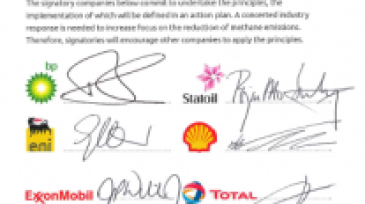
Three global energy industry associations have signed on to the Methane Guiding Principles to increase focus on reducing methane emissions across the natural gas value chain.
-
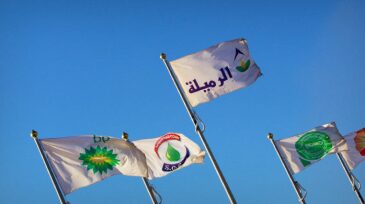
Forging an authentic and meaningful brand for major projects in complex and challenging regions is an under-rated tool for managing risk—but not at the Rumaila oilfield in Southern Iraq.
-
The Lloyd's Register Safety Accelerator is designed to bring together technology companies and industry to test innovative digital solutions to critical safety and risk challenges.
-
Figures from a 2017 study on trends in risk level in the petroleum activity show progress for a number of risk indicators. But serious personal injuries are growing, while feedback on the working environment, the HSE climate and perceived risk is moving in the wrong direction.
-
The Health and Safety Executive (HSE) has warned the UK’s offshore oil and gas operators that they must do more to tackle hydrocarbon releases in the North Sea after coming “perilously close to disaster” in recent years.
-
Unmanned aerial systems (UAS) are lightweight, low-cost aircraft platforms operated from the ground that can be outfitted with imaging or nonimaging payloads. UASs offer health, safety, and environment professionals a promising opportunity to reduce risks by keeping people out of harm’s way.
-
British Columbia is seeking to enhance its regulatory spill response regime across the province by way of a phased approach. Phase 2 is currently under way, and comments on this process are due by the end of April 2018.