HSE & Sustainability
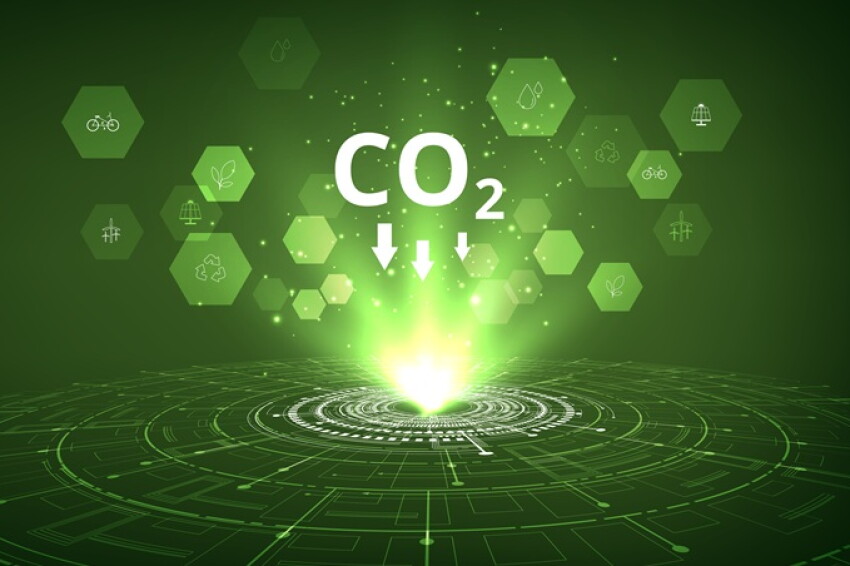
The Pawnee Carbon Sequestration Project, which would use a repurposed well, is planned to capture and store up to 400,000 tonnes of carbon dioxide, with first injection targeted for early 2027.

DNV notes that energy and industrial process-related carbon emissions will have dropped by 2050 by only 44% from today’s level, not even halfway to the net-zero pledge envisioned by the Paris climate agreement.

SPE's new Asset Integrity Technical Section brings together industry experts to advance best practices in reliability engineering, asset integrity, risk reduction, and infrastructure performance. The global community will focus on the safe, reliable, and sustainable operation of energy assets across both traditional and emerging energy sectors.
-
 New studies detail the design and deployment of a biodegradable ocean drifter for large-scale sampling experiments.
-
Offshore engineering and technology company Osbit won the Health Safety and Environmental Innovation Award at the 32nd SPE Aberdeen Offshore Achievement Awards for its commitment to health and safety through the design and manufacture of three intervention tension frames.
-
In an ongoing effort to increase responsible and efficient offshore energy operations, the Bureau of Safety and Environmental Enforcement has implemented a new quality-assurance process for reviewing and assessing its permitting systems.
-
Abdulla Al Marzooqi, manager of health, safety, and environment for the Abu Dhabi National Oil Company, is the conference chair for the 2018 SPE International Conference and Exhibition on Health, Safety, Security, Environment, and Social Responsibility.
-
At the 2018 Offshore Achievement Awards, John Fraser, Sparrows Group’s director for health, safety, environment, and quality (HSEQ) and human resources, was presented with the Above and Beyond Award.
-
On 21–22 March, The Petroleum Safety Authority Norway (PSA) held the Arctic Safety Conference. Now, the PSA has made several of the presentations available for download.
-
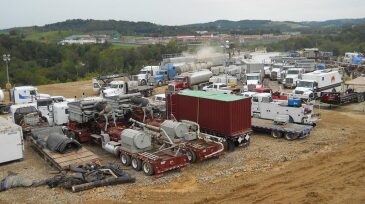
An overview of some of the trends and issues related to water management for tight oil and gas are discussed, including environmental, sustainability, and legislative issues associated with water handling for hydraulic fracturing.
-
With the huge amount of water injection in the industry, the need is paramount for a more scientific approach to materials selection for tubing, especially CRAs. Software-based predictors similar to those developed for CO2 corrosion would improve the economical choice of CRAs.
-
Analysis indicates decades of oil production have destabilized localities in an area of approximately 4,000 sq miles populated by small towns, roadways, and a vast network of oil and gas pipelines and storage tanks.
-
If safety excellence isn't clearly defined and aligned throughout an organization, it won't be achieved.