HSE & Sustainability
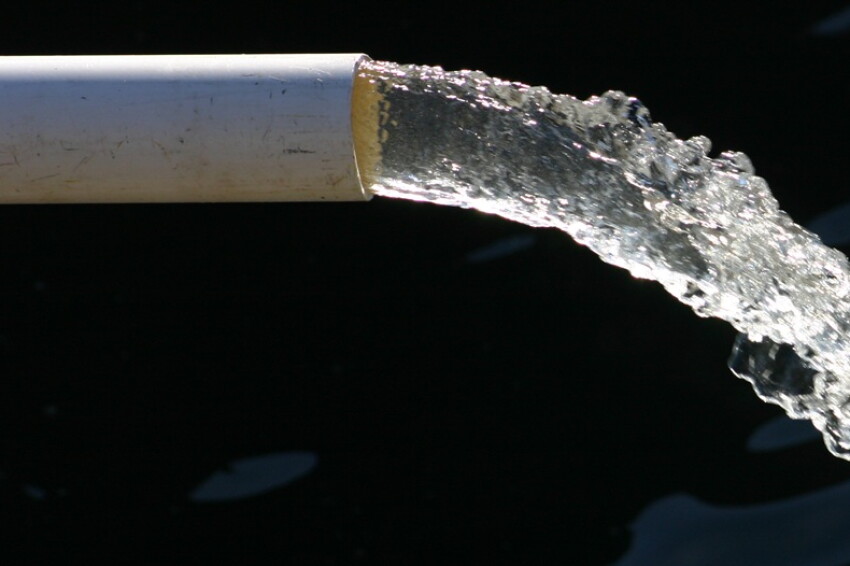
This paper presents an approach to the identification, selection, and implementation of initiatives for sustainable water management, withdrawal reduction, and water valorization.

This paper presents an experiment investigating dissolution of basaltic primary minerals and conditions favorable for secondary phase formation under deep subsurface storage conditions.

This study aims to investigate the efficacy of chemical additives strontium chloride and barium hydroxide in accelerating CO₂ trapping mechanisms, their effect on dissolution of carbonate-bearing minerals, and resulting poroelastic changes in the host rock.
-
 Considering the current downturn in crude prices, there is a renewed interest in recycling produced water for reuse in hydraulic fracturing in the development of unconventional resource plays.
 -
If crude prices, rig counts, and tight oil production demonstrate a stronger upward trend in the months to come, US shale operators may find themselves with more produced water than they bargained for.
-
The US EPA’s 2016 New Source Performance Standards updated the 2012 standards by adding requirements for the industry to reduce greenhouse gas emissions, specifically methane. The 2016 NSPS also covers hydraulically fractured oil wells and production, processing, transmission and storage activities.
-
Shell and GravityLight are working together in Kenya to convert the kinetic energy generated by the gravity of falling rocks to produce a safe, renewable source of light to those with no access to electricity .
-
Geophysicists from Stanford University have compiled a map of new maximum horizontal stress orientations in Texas and surrounding areas, potentially giving operators new information for avoiding seismic activity in their hydraulic fracturing operations.
-
The Wyoming Department of Environmental Quality recently concluded that hydraulic fracturing operations were not the likely cause of well water contamination in a small town.
-
Sourcing water for large multifracture stimulations in west Texas is a well-known constraint on oil and gas activities in the area. A 6-month pilot operation demonstrated that produced-water reuse is technically feasible and can be a cost-effective solution.
-
This paper summarizes the benefits of using a bipolymer crosslinking system in environments where water quality cannot be guaranteed. It also demonstrates the yielded cost savings per well that are achievable when reusing 100% produced or flowback water for hydraulic fracturing.
-
Water production normally increases as fields mature, and two main ways exist to deal with the produced water. One is to dispose of the produced water into dedicated disposal wells. The other is to reinject the produced water for pressure maintenance or sweep efficiency.
-
With the US Bureau of Safety and Environmental Enforcement as a cochair of the steering committee, SPE held a 2-day summit in April to discuss the development and implementation of an industrywide safety-data sharing framework.