HSE & Sustainability
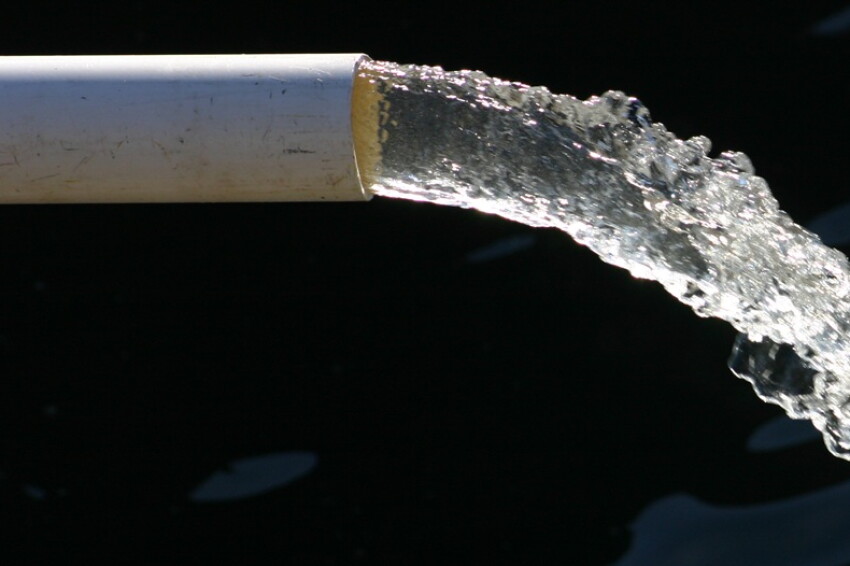
This paper presents an approach to the identification, selection, and implementation of initiatives for sustainable water management, withdrawal reduction, and water valorization.

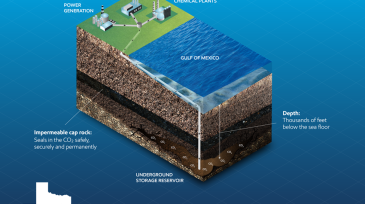
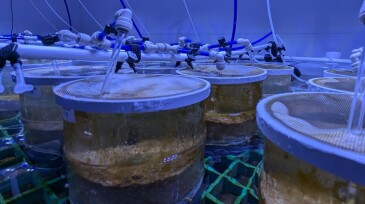
This paper presents an experiment investigating dissolution of basaltic primary minerals and conditions favorable for secondary phase formation under deep subsurface storage conditions.

This study aims to investigate the efficacy of chemical additives strontium chloride and barium hydroxide in accelerating CO₂ trapping mechanisms, their effect on dissolution of carbonate-bearing minerals, and resulting poroelastic changes in the host rock.
-
 Consulting and engineering firm Wood is leading a joint industry partnership to create industry guidelines for carbon dioxide specifications to accelerate sustainable carbon capture, use, and storage projects.
 -
The financial losses come from reduced productivity, high employee turnover, or the loss of skilled labor as a direct result of unmanaged mental health challenges.
-
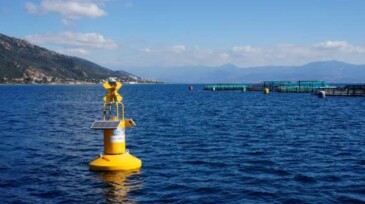
The presence of marine mammals during offshore infrastructure work is a major environmental concern. To safeguard species and their natural habitats, more and more local legislation imposes a cap on sound levels from offshore activities.
-
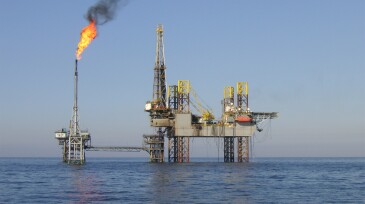
The increase in flaring emissions was led by operations in the Middle East, Africa, and Russia.
-
The $220-million carbon capture and storage project is one of the world's largest, with a nameplate injection capacity of 1.7 mtpa.
-
The agreement with state officials comes more than 3 years after the supermajor proposed building the world's largest carbon storage hub offshore the Houston area.
-
DNV’s Energy Transition Outlook 2024 projects continued growth in solar; slower growth in wind; and declines in coal, oil, and gas, while hydrogen and carbon capture projects are struggling.
-
Radioactive elements occur naturally at low levels in oil and gas basins. As oil and gas is extracted, these elements can accumulate in infrastructure. Now, scientists in Australia are investigating the toxicity of different radiation doses to marine organisms.
-
Occidental’s 1PointFive will receive up to $500 million from the Office of Clean Energy Demonstrations for the carbon-capture facility in south Texas.
-
The Ravenna CCS project will capture, transport, and store carbon-dioxide emissions from Eni’s natural gas treatment plant in Casalborsetti, Italy, estimated to be approximately 25,000 tonnes per year.