HSE & Sustainability

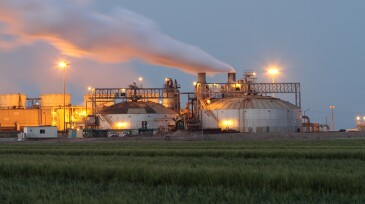
The Pawnee Carbon Sequestration Project, which would use a repurposed well, is planned to capture and store up to 400,000 tonnes of carbon dioxide, with first injection targeted for early 2027.

DNV notes that energy and industrial process-related carbon emissions will have dropped by 2050 by only 44% from today’s level, not even halfway to the net-zero pledge envisioned by the Paris climate agreement.

SPE's new Asset Integrity Technical Section brings together industry experts to advance best practices in reliability engineering, asset integrity, risk reduction, and infrastructure performance. The global community will focus on the safe, reliable, and sustainable operation of energy assets across both traditional and emerging energy sectors.
-
 The two companies said they will work together to try to find the best places to develop geothermal energy and advance the necessary technologies to commercial scale.
-
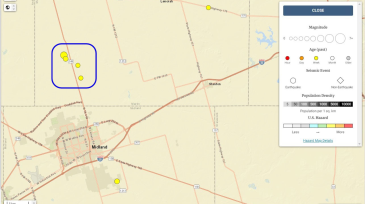
The Railroad Commission of Texas is inspecting injection wells in the Gardendale Seismic Response Area where a magnitude 5.3 earthquake and multiple aftershocks struck.
-
The optimization process presented in this paper gradually incorporates process control, digital twins, planning, scheduling, and blending for refiners.
-
Leveraging its existing natural gas interests, plus renewables potential in Egypt and Mauritania, BP is now factoring in Africa to realize its global ambitions as a hydrogen producer.
-
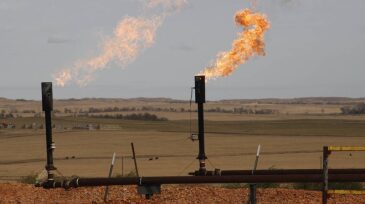
Barriers remain, but oil companies across the world are now in a position to reap big profits by capturing methane instead of flaring and venting it.
-
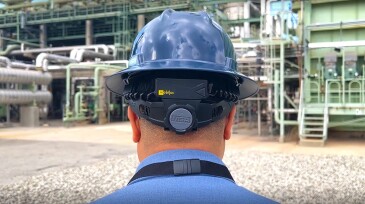
This device lets workers in noisy and windy environments hear through their bones without removing ear protection.
-
The Oil and Gas Climate Initiative says its members’ absolute upstream methane emissions were down 40% since 2017. That’s equivalent to taking more than 3 million cars off the road for a year.
-
Webinar will examine how human factors can help with implementing automation in the oil and gas industry.
-
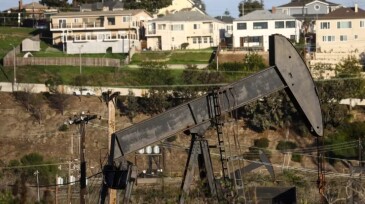
In a 12-0 vote, the Los Angeles City Council approved an ordinance that will immediately ban new oil extraction and shut down existing operations within 20 years. The historic decision comes after years of complaints by residents about how pollution from nearby drilling has caused them health issues.
-
A recently published study connects risky driving to long work hours, lengthy commutes, and insufficient sleep.