HSE & Sustainability

Propelling a proposed CCS project from the drawing board to first carbon storage requires overcoming several hurdles.

The 2025 report confirms for the second year that the Appalachian Basin has the lowest methane intensity of any major oil and gas basin in the US.

The North Sea Transition Authority has advanced the UK’s plans for carbon storage by approving the drilling of a proposed appraisal well off the coast of Teesside.
-
 Oman’s Marsa LNG plant expects to drop its first LNG in Q1 2028 with production aimed at serving the marine fuel market (LNG bunkering) in the Gulf.
 -
To meet the objective of balancing economic prosperity, energy security, and environmental protection, a natural gas gasification process within a downhole completion tool is proposed that converts methane wells into hydrogen production wells, while simultaneously capturing the process-generated carbon downhole and reinjecting the carbon dioxide into the surrounding g…
-
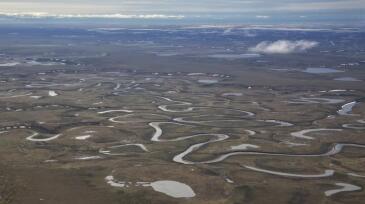
The Bureau of Land Management finalized the Management and Protection of the National Petroleum Reserve in Alaska rule aimed at more than 13 million acres in the western Arctic.
-
In 2022, Hess and the government of Guyana announced an agreement for the company to purchase 37.5 million REDD+ carbon credits directly from the government, one of the largest private-sector forest preservation agreements in the world. This paper explores the analysis of decarbonization pathways, voluntary carbon markets, and individual carbon offset projects that ul…
-
In the pursuit of sustainable industrial operations, three pivotal objectives emerge: risk reduction, safety assurance, and cost minimization. Integrating these objectives into digital transformation strategies enables operators to effectively manage emissions and achieve success.
-
Kampala is drawing now on international experience to sidestep the “oil curse” before first crude flows from its Lake Albert developments.
-
If optimized to scale, fast fission reactors could play a role in reducing emissions in field operations by producing carbon-free electricity.
-
The updated joint development agreement allows the companies to carve out new markets while they complete pilot testing at a demonstration plant in the Netherlands.
-
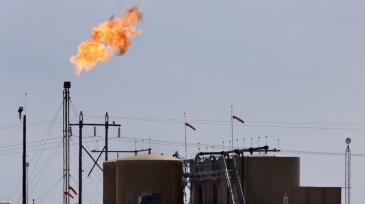
The new rule aims to cut energy waste from venting, flaring, and leaks and is expected to help generate $50 million annually in additional natural gas royalty payments.
-
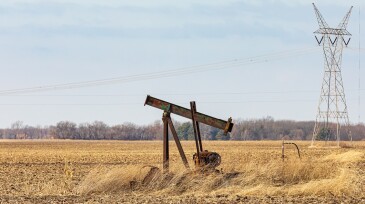
The money from the Bipartisan Infrastructure Law will go to help Tribes plug orphaned oil and gas wells, combat climate change, and protect natural resources.