HSE & Sustainability
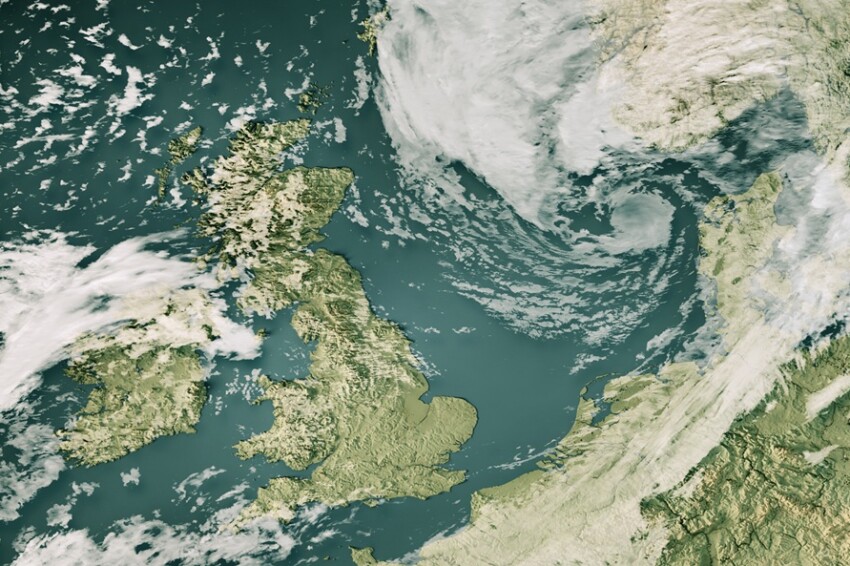
The North Sea Transition Authority said it expects interest in carbon storage to grow after UK’s second licensing round.

Propelling a proposed CCS project from the drawing board to first carbon storage requires overcoming several hurdles.

The 2025 report confirms for the second year that the Appalachian Basin has the lowest methane intensity of any major oil and gas basin in the US.
-
 This paper describes a method to manage high-salinity produced water in an environmentally sustainable way by extracting potable water and reducing discharge water volume by at least 50%.
 -
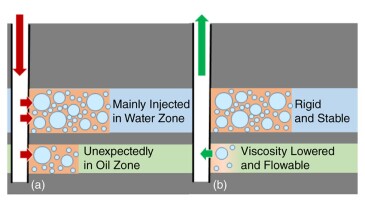
This paper presents the evaluation results of a water-shutoff agent based on an emulsion-type chemical material with nanoparticles.
-
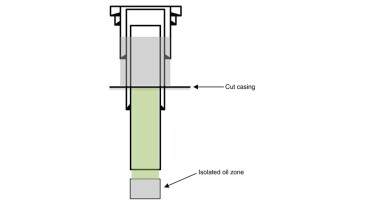
This paper discusses housing pulverized blades mixed with Portland cement in wells considered for plugging and abandonment.
-
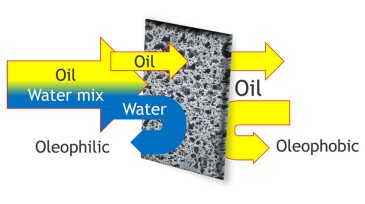
The authors of this paper discuss the use of dissolved polystyrene waste for the preparation of nanomembranes for separation of hydrocarbon pollutants from wastewater streams.
-
This paper discusses the importance of modular refineries and their effects on the availability of petroleum products in Nigeria.
-
A surge in permit applications for long-term carbon storage sites reflects where industrially produced carbon dioxide can be harvested, and where the necessary pipelines are.
-
The captured carbon dioxide will be permanently sequestered in the Cameron Parish CO2 Hub to be located offshore Louisiana.
-
As the vessel moves toward a shipyard to be dismantled, the company said it wants to become a global reference in decommissioning, focusing on sustainability, safety, and care for people and the environment.
-
The International Energy Agency recently said the oil and gas industry is spending far too little on clean energy technologies.
-
The Haewene Brim FPSO will need repairs to a pair of mooring connections before it can restart operations.