HSE & Sustainability

The North Sea Transition Authority said it expects interest in carbon storage to grow after UK’s second licensing round.

Propelling a proposed CCS project from the drawing board to first carbon storage requires overcoming several hurdles.

The 2025 report confirms for the second year that the Appalachian Basin has the lowest methane intensity of any major oil and gas basin in the US.
-
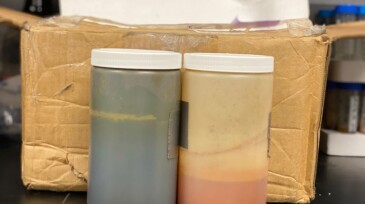
 The best wells in which to find lithium are in old conventional fields where rusty pump jacks are pulling out mostly water.
 -
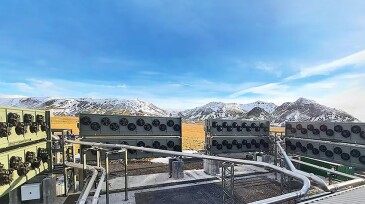
As money pours into the space, questions arise about whether the method of removing carbon from the atmosphere is the best investment.
-
The oil and gas industry’s sustainability and success depend on its ability to cultivate and nurture a skilled and knowledgeable workforce.
-
Declining costs to launch monitoring satellites, as well as artificial intelligence, which makes parsing terabytes of emissions data feasible, have given the oil and gas industry an emerging tool for environmental stewardship.
-
The Bipartisan Infrastructure Law will be used to distribute $7 billion to the seven projects across the country.
-
The Norwegian company’s third-quarter safety report shows the number of serious incidents declining.
-
A Harvard economist is considering ways to protect workers from the inevitable economic shocks of the so-called “energy transition.”
-
State regulators raise doubts about natural gas flaring permits but rarely reject them.
-
Any conflict in the Middle East can create a geopolitical risk premium, but a more dramatic price impact may not materialize unless the conflict draws in other states and nonstate actors.
-
This paper focuses on the application of blockchain technology and the use of distributed ledgers on process safety and integrity management.