HSE & Sustainability
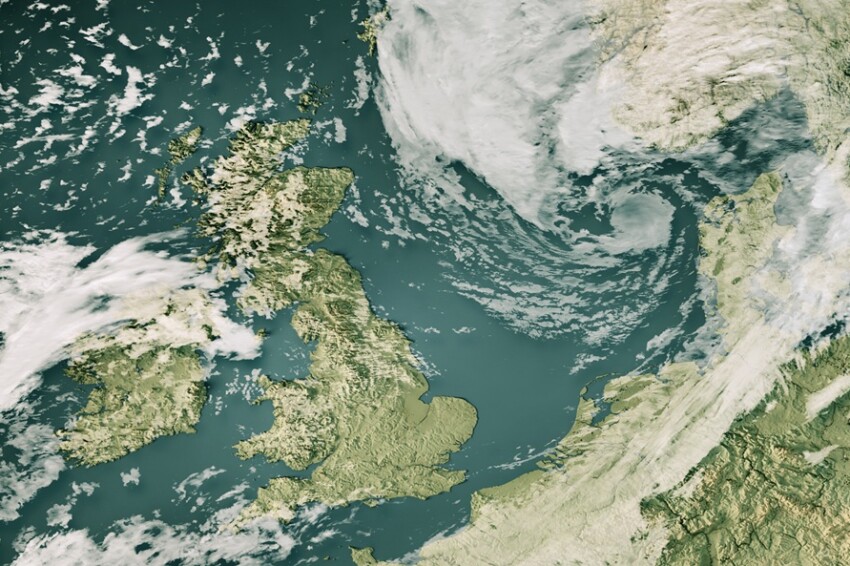
The North Sea Transition Authority said it expects interest in carbon storage to grow after UK’s second licensing round.

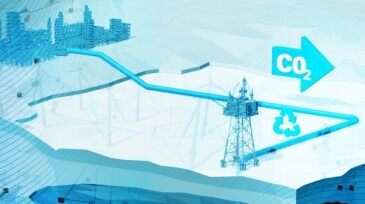
Propelling a proposed CCS project from the drawing board to first carbon storage requires overcoming several hurdles.

The 2025 report confirms for the second year that the Appalachian Basin has the lowest methane intensity of any major oil and gas basin in the US.
-
 The hub acreage is located in state waters of Cameron Parish.
 -
Fourteen companies scooped up the licenses to sequester carbon in depleted oil and gas reservoirs and saline aquifers offshore UK.
-
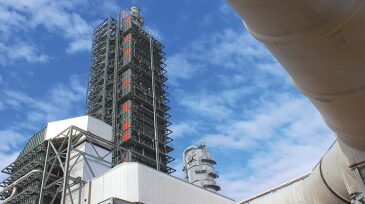
The $1-billion carbon capture project in Texas is revived after a 3-year hiatus.
-
Diamondback Energy has agreed to spin off its water operations. Now, who’s next?
-
The government is offering its first major funding for the unexplored energy source.
-
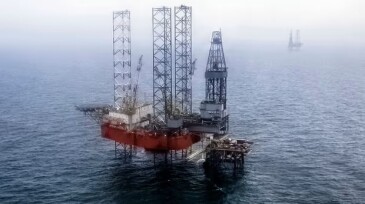
The recapture of the "Boyko Towers" takes Kyiv "many steps closer to regaining Crimea," the Ukrainian intelligence service said.
-
The US Department of Justice also announced the seizure of almost 1 million bbl of Iranian crude oil.
-
Vehicle-related accidents contributed to more than a quarter of worker deaths in the oil and gas extraction industry over a recent 6-year period, according to a report from the CDC.
-
This paper examines how connected technology can help streamline safety processes and improve worksite efficiency.
-
The administration will cancel oil and gas leases in the Arctic National Wildlife Refuge and set aside more than half of the National Petroleum Reserve.