HSE & Sustainability
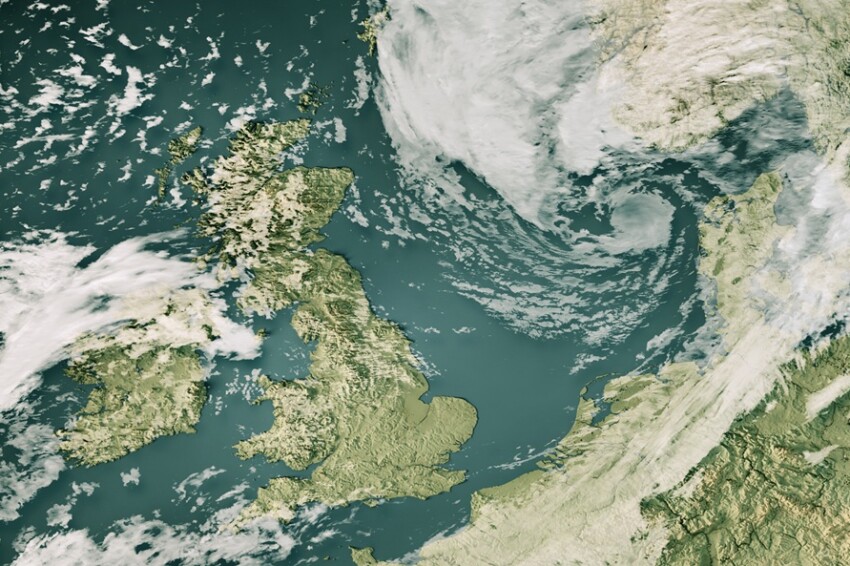
The North Sea Transition Authority said it expects interest in carbon storage to grow after UK’s second licensing round.

Propelling a proposed CCS project from the drawing board to first carbon storage requires overcoming several hurdles.

The 2025 report confirms for the second year that the Appalachian Basin has the lowest methane intensity of any major oil and gas basin in the US.
-
 Government and industry leaders support the oil and gas industry's role in the energy transition.
 -
The Habshan project aims to capture and sequester 1.5 million tonnes of carbon dioxide per year.
-
While innovative solutions are being examined for decarbonization, there is one topic that is rarely emphasized as a key driver in the path toward a more-sustainable future—brownfield optimization.
-
This paper presents a family of machine-learning-based reduced-order models trained on rigorous first-principle thermodynamic simulation results to extract physicochemical properties.
-
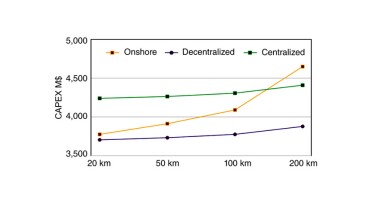
This paper is a summary of a study that covers through-life economics for producing green hydrogen from offshore fixed wind turbines.
-
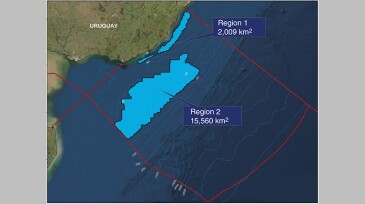
The authors of this paper present the results of an assessment of two regions in Uruguay suitable for bottom-fixed offshore wind technologies.
-
SponsoredImprove modeling accuracy and reduce the risk of unplanned downtime. By eliminating the need for multiple applications, complete more accurate comprehensive pressure safety studies faster.
-
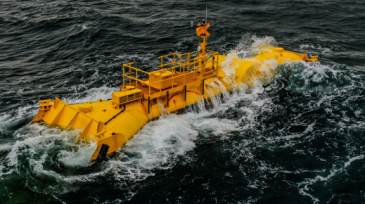
Wave power plus a subsea battery can be a reliable source for subsea operations, to a point.
-
Understanding the subsurface is crucial to the success of carbon capture and storage, and digital solutions are essential for an accurate analysis of the subsurface being considered.
-
Health, safety, and environment operations can be greatly enhanced by using artificial intelligence (AI) techniques on HSE data. One important aspect inherent in this process is the need to establish trust in the AI system among the users.