HSE & Sustainability
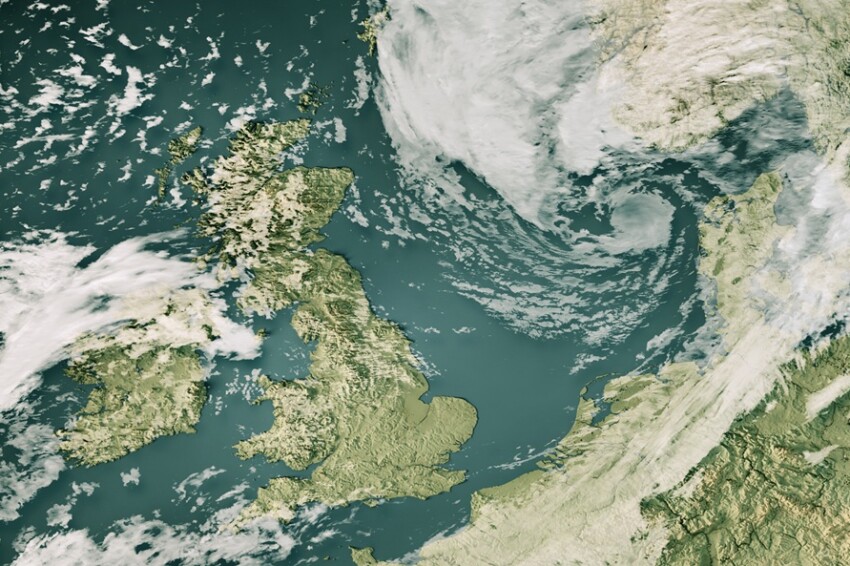
The North Sea Transition Authority said it expects interest in carbon storage to grow after UK’s second licensing round.

Propelling a proposed CCS project from the drawing board to first carbon storage requires overcoming several hurdles.

The 2025 report confirms for the second year that the Appalachian Basin has the lowest methane intensity of any major oil and gas basin in the US.
-
 The Court of Appeals for the Eighth District of Texas ruled that the mineral lessee under an oil and gas lease owns the water extracted, not the surface property owner.
 -
National oil companies and traditional upstream players are progressively focusing on cleaner and more environmentally friendly energy initiatives.
-
The lease auction aims to advance the president’s commitment to deploy 30 GW of offshore wind energy by 2030.
-
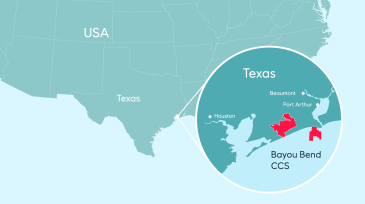
Norwegian energy company Equinor has acquired a 25% stake in the Bayou Bend CCS project from Houston-based Carbonvert.
-
The platform is Shell's first in the region to be fully supplied by both wind and solar power generation.
-
Revisions to the 2019 rule aim to bolster safe and environmentally responsible energy operations.
-
The legislation would require oil and gas companies to pay into a fund that would cover health expenses for workers and their families.
-
Meeting the energy demands of today while advancing a lower-carbon energy future requires policy support, innovative approaches, capital investments, and time.
-
Thailand's coal mining giant Banpu said it has signed an agreement to launch a third carbon capture and sequestration project in the US.
-
Decades of experience injecting fluids into the ground has revealed a fundamental truth: No two injection sites are the same. A thorough understanding of site-specific conditions is essential to ensure safe and secure long-term subsurface disposal of carbon dioxide.