HSE & Sustainability

A handful of operators have cut costs, project timelines, and emissions by redeploying offshore infrastructure, but there are limited opportunities to replicate these success stories.

The challenge is to ensure that changes to major accident hazards are properly managed, whether the changes occur by adapting conventional industry operations to lower carbon or by introducing innovative technologies.

From AI-enabled walking rigs to subsea drones and autonomous inspection robots, robotics is rapidly moving from pilot projects to field deployment. The technology promises not only greater efficiency but also a fundamental shift in how the industry approaches safety and asset management.
-
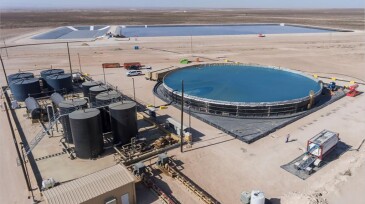
 The produced water conundrum in the Permian Basin will be solved by a mix of recycling, disposal, and future breakthroughs in technology currently being studied.
 -
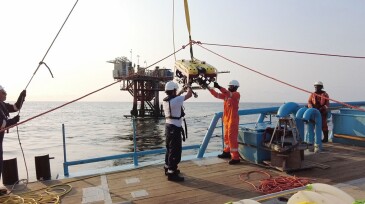
The Seaeye Falcon underwater robot is being used in the decommissioning and repurposing of an oil rig offshore Angola.
-
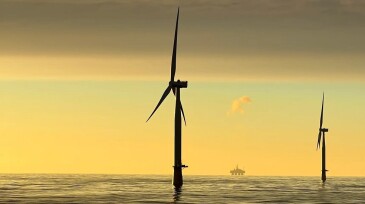
The power from the first turbine to come online will be used to help run the Gullfaks A platform in the North Sea. Seven of the 11 turbines in the field are expected to begin producing power within a year.
-
The new listing aims to prevent further loss of habitat for the flamboyant, stocky birds, which have drastically dwindled in population.
-
This research addresses the bottlenecks experienced in supply-chain management (SCM) in an African hydrocarbon company. These bottlenecks slow down processes and make the procedures tedious, leading to operational inefficiencies. This paper discusses the security of the SCM data and the overall automation of the procurement value chain, providing transparency to the s…
-
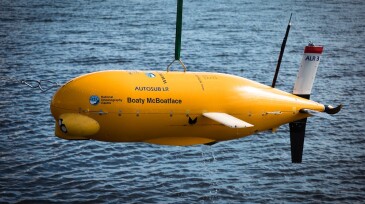
A recent mission that saw the robot submarine Autosub Long Range, better known as "Boaty McBoatface," explore and visually map end-of-life oil fields has been hailed as a success.
-
The new Methane Alert and Response System initiative aims to scale up global efforts to detect and act on major emission sources in a transparent manner and accelerate implementation of the UN’s Global Methane Pledge. The system is designed to alert governments, companies, and operators about large methane sources to aid rapid mitigation.
-
Seven facilities design and public engagement principles are identified as key elements for the future oil and natural gas production facilities for the DJ Basin, and maybe even as a guide for other North American onshore shale basins.
-
Divesting from fossil fuel assets makes a big statement. Its impact, however, is murkier. Selling off an asset requires someone else to buy it, which, in the case of fossil fuels, can mean breathing new capital into the exact assets companies are trying to choke. But there’s another approach: running those assets into the ground.
-
Britain’s North Sea Transition Authority is removing the requirement for offshore operators to submit Cessation of Production reports when preparing to abandon a field.