HSE & Sustainability
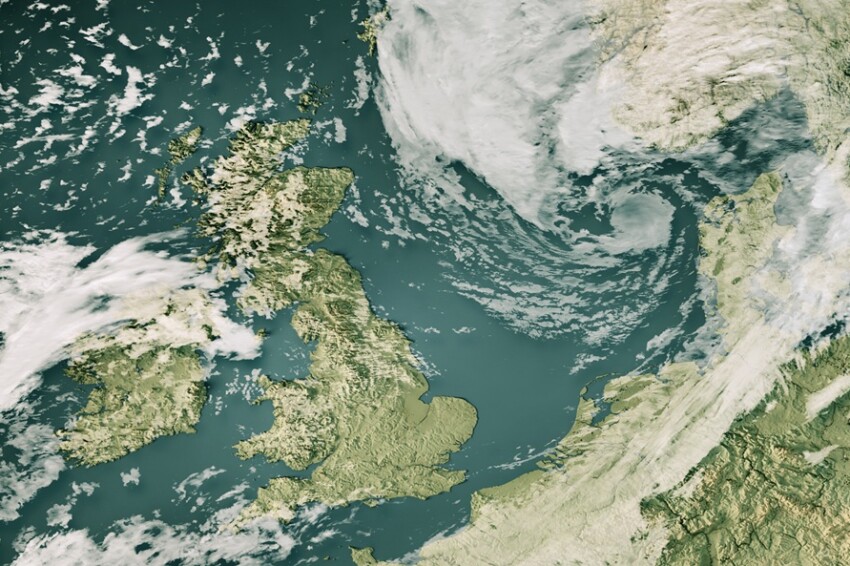
The North Sea Transition Authority said it expects interest in carbon storage to grow after UK’s second licensing round.

Propelling a proposed CCS project from the drawing board to first carbon storage requires overcoming several hurdles.

The 2025 report confirms for the second year that the Appalachian Basin has the lowest methane intensity of any major oil and gas basin in the US.
-
 The large US shale producer has officially entered into the renewable energy sector with its largest venture investment yet.
 -
Six satellites are expected to be launched this year to form a constellation aimed at combating emissions along oil and gas pipelines.
-
The Bureau of Ocean Energy Management says the increase is needed to keep pace with inflation.
-
Regulators told some injection well operators close to the epicenter of a magnitude 4.0 earthquake that they will have to shut down their operations indefinitely.
-
China Coast Guard patrols near oil and gas projects in the South China Sea have triggered responses from Vietnamese law enforcement and the Malaysian navy in two separate incidents over the past month.
-
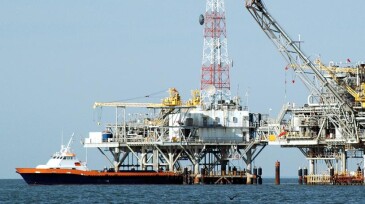
In August 2020, scientists spent 10 days doing airborne surveys of more than 50 platforms in the Gulf of Mexico. Their results revealed a climate impact twice as large as that estimated by government inventories.
-
Offshore workers engaged in rotating shift work may face an increased risk of prostate cancer, according to the results of a study from the University of Oslo and the Cancer Registry of Norway.
-
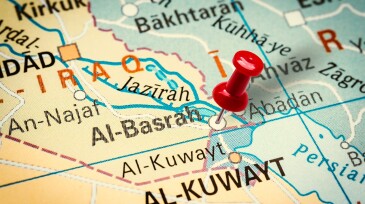
The Gas Growth Integrated Project will capture and supply flare gas to generate electricity and treat seawater to manage pressure in oil wells in Iraq’s Basra region.
-
This paper’s proposal is based on the need to communicate commands, requests, affirmations, and more with precision and accuracy. Creating an architecture for rig communications is essential for the next generation of engineers and operators to work more safely and more efficiently.
-
A recent report released from the National Academies of Sciences, Engineering, and Medicine shows improvement in measurement and management of systemic risk in Gulf of Mexico oil and gas operations but adds that progress lags in some areas.