HSE & Sustainability

This paper describes the operator’s initiative to reduce greenhouse-gas emissions and recover additional hydrocarbon, monetizing it as sales gas, by integrating upstream and downstream gas facilities in a unified approach.

The chair of the SPE Georgetown Section outlines how balanced, apolitical dialogue can support development amid rapid energy expansion.

This paper highlights the effects of tax credits on business operations for midstream companies in the Permian Basin.
-
 Creating and cultivating a safety culture is one of the most effective ways to protect employees and ensure a safe workplace. But building a safety culture can be difficult. It takes time, effort, and commitment from everyone in the organization.
 -
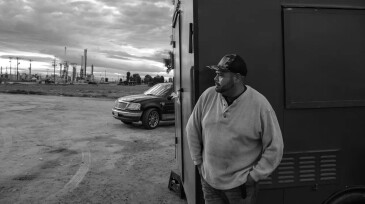
A town in the oil industry’s shadow grapples with health fears as the state fails to limit companies’ use of fresh water.
-
A new 1.0 Bcf/D facility in Baytown, Texas, is expected online no later than 2028.
-
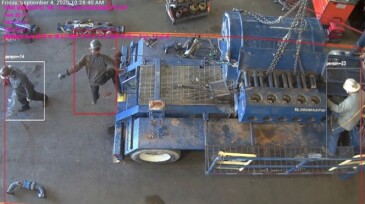
Vision analytics is being used to extract insight information from video, with data inferred from existing cameras used to create a monitoring dashboard where supervisors can receive alerts at the worksite level or drill down to specific events.
-
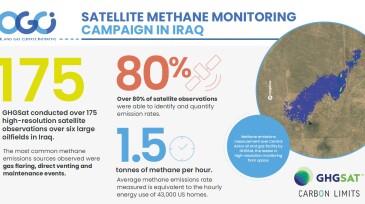
Industry consortium pilot project successfully demonstrates the significant potential of satellite technology in methane emissions detection and mitigation.
-
Spending on low-carbon projects will increase by $60 billion this year, 10% higher than 2022, led by wind developments but helped by a significant rise in funding for hydrogen and carbon capture, utilization and storage infrastructure, Rystad Energy research shows.
-
A big jump in the tax incentives offered for putting CO2 in the ground, hopefully forever, has set off a mad rush to sequester CO2. But is that really the best option?
-
Although 2022 did not match 2021’s record of over 19.5 GW of online capacity, 2022 witnessed the second highest amount of global online capacity with almost 8.5 GW. Final investment decisions (FIDs) were taken on over 11.5 GW of projects, making it the fourth highest year for FIDs.
-
The first step to ensuring the safety of oil and gas workers is to have a comprehensive safety program in place. This includes frequent employee training, detailed equipment inspections, and detailed safety procedures everyone follows.
-
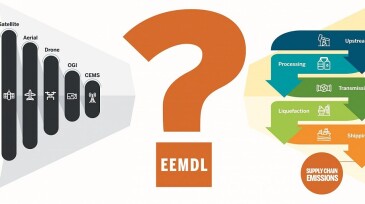
The University of Texas at Austin will be home to a multidisciplinary research and education initiative, the Energy Emissions Modeling and Data Lab, which aims to address the growing need for accurate, timely, and clear accounting of greenhouse-gas emissions across global oil and natural gas supply chains.