HSE & Sustainability

This paper describes the operator’s initiative to reduce greenhouse-gas emissions and recover additional hydrocarbon, monetizing it as sales gas, by integrating upstream and downstream gas facilities in a unified approach.

The chair of the SPE Georgetown Section outlines how balanced, apolitical dialogue can support development amid rapid energy expansion.

This paper highlights the effects of tax credits on business operations for midstream companies in the Permian Basin.
-
 With growing trade of liquefied natural gas (LNG), an increased diversification of LNG supply sources may occur in the LNG tanks as different compositions of LNG are stored in the tanks. It is the primary concern in terms of assuring stability and safety in LNG storage.
 -
The past year has been a challenging one for companies on the ESG front. Overlapping environmental, social, and political crises—from flooding and wildfires to the first war in Europe in 80 years—have made the jobs of leaders that much harder.
-
California soon will have the largest oil drilling setbacks in the US. Experts say other states can learn from this move.
-
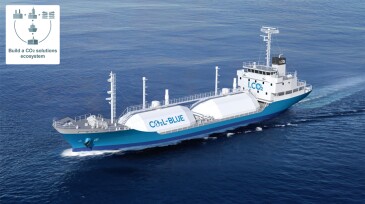
The sites with the most CO2 emissions to capture are often far from the best rock to sequester it, leading to design projects for transport ships.
-
A methane-quantification tool was developed by Petronas on the basis of applicable methane sources listed in guidelines produced by the Oil and Gas Climate Initiative.
-
At a time when there are many models vying to be the one used to evaluate and plan carbon storage sites, the US Department of Energy wants to test one developed by SPE members.
-
A critical challenge for those designing carbon dioxide storage sites is predicting where the injected gas will go. One of the only sure bets is to assume that any model of a gas plume that looks symmetrical is likely wrong.
-
Proposed energy projects needing US federal permits will come under increased scrutiny related to the scope and magnitude of potential emissions.
-
ADNOC lays out a $15-billion installment in its long-term plan to reduce its carbon footprint.
-
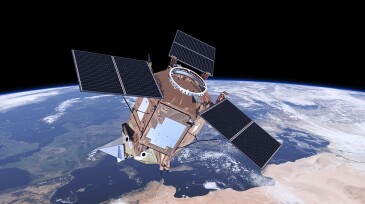
Satellite imaging of methane emissions offers the fossil fuel industry the empirical data it needs to fix problems that companies might not even know they have before the EPA starts to levy fines in 2024.