HSE & Sustainability

This paper proposes a shift in the timing of risk modeling to much further back within the job lifecycle, recognizing each function’s role in the mitigation of risk.
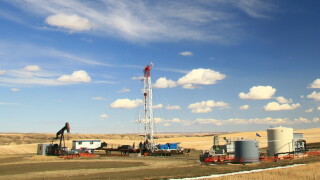
This article from the SPE Methane Technical Section features Arvind Ravikumar of the University of Texas at Austin and focuses on how the Energy Emissions Modeling and Data Lab is integrating satellite observations, facility-level measurements, operational data, and emissions inventories into more credible methane accounting for oil and gas systems.

The firm’s latest analysis puts the bulk of the blame on a fragmented supply chain.
-
 This case history explores a multiwell sectional development in the Delaware Basin by a small operator who reduced drilling and completion costs, along with lease operating expenses, by turning undesirable produced water into an asset.
 -
For more than a century, the oil industry magnificently improved the lives and health of humankind. Those gains help support a moral case to expand some use of fossil fuels but not to release them. Now it is time to lean in to solving the last step of our direct emissions.
-
A produced-water management framework is presented, forming part of an upstream-effluent management policy, to address the minimization and ultimate elimination of treated and untreated produced-water discharge.
-
As the oil and gas industry evolves to become more socially responsible with using natural resources such as water, economics constraints are an ever-present concern. The three highlighted papers share different approaches regarding how produced water could be managed economically.
-
For the fourth consecutive year, driver shortage remains the trucking industry’s leading concern. Oil and gas and energy industries face major challenges in the retention and recruitment of drivers for their transportation fleets, especially for petroleum and liquid tankers.
-
An overview of methane emissions and the changes anticipated with the energy transition highlight resources available to SPE members and plans for cross-discipline initiatives.
-
This paper is the second of a two-part series. It covers facilities problems caused by iron, injectivity problems caused by iron, and the mitigation of colloidal iron-related problems.
-
The sheer expanse of the deep sea and the technological challenges of working in an extreme environment make these depths difficult to access and study. Scientists know more about the surface of the moon than the deep seafloor. The Monterey Bay Aquarium Research Institute is leveraging advancements in robotic technologies to address this disparity.
-
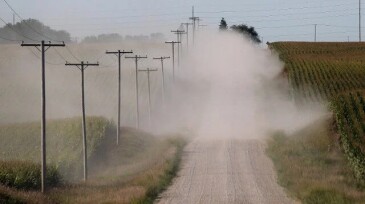
The debate over whether to again allow briny waste water pumped from conventional oil and gas wells to be spread on Pennsylvania’s dirt roads has become as salty and charged as the material itself.
-
Wellhead and downhole safety valves are considered health, safety, and environment (HSE) critical well equipment in oil fields around the world. A comprehensive methodology, called the 100% Integrity Assurance approach, was implemented by the Abu Dhabi National Oil Company for this equipment to ensure sustainability and prevent HSE incidents throughout the well life c…