HSE & Sustainability

LibertyStream has signed a feedstock agreement with Goodnight Midstream to support its first commercial lithium carbonate facility in North Dakota's Bakken, advancing plans to extract battery-grade lithium from produced water.

The transition away from materials that contain per- and polyfluoroalkyl substances (PFAS), co-called forever chemicals, creates an opportunity to preserve historical information. Information that appears to have little operational value today may later become important when organizations need to evaluate past PFAS use. Once that information is lost, recreating it may…

TotalEnergies signed off for 30% operated stakes in the Lang Lebah and B14 gas fields offshore Sarawak on the sidelines of ADIPEC in Abu Dhabi, while also highlighting methane-reduction partnerships in Angola, India, and Southeast Asia.
-
 Occupational diseases of employees can have a significant impact on workplace productivity and exact an unmeasurable emotional and financial toll on the workers and their families. It is important to design programs that will put the workplace on a journey toward prevention of diseases.
-
This paper describes a coreflooding program performed with sandpacks at different permeabilities, water qualities, and injection conditions.
-
For the first time, the University of Oklahoma has offered a Human Factors in Oil and Gas Operations class. The offered course fulfilled the mission of training petroleum engineering students to make an impact on oil and gas industry.
-
Since 2011, Equinor has reduced carbon dioxide emissions from its logistical operations for the Norwegian continental shelf (NCS) by 600,000 tonnes. The company’s ambition is to halve emissions in the NCS supply chain by 2030.
-
The deployment and adoption of digital technologies across the oil and gas value chain could help scale the effect of the industry’s methane-reduction efforts, finds a new report.
-
Recently, Nigeria's Department of Petroleum Resources issued guidelines in furtherance of the objectives of the Flare Gas (Prevention of Waste and Pollution) Regulations, 2018.
-
The New Owner Clean Air Act Audit Program, tailored specifically for oil and natural gas producers, will focus on offering more flexibility to new company owners who choose to self-audit their emissions and report any failures to meet EPA’s regulations.
-
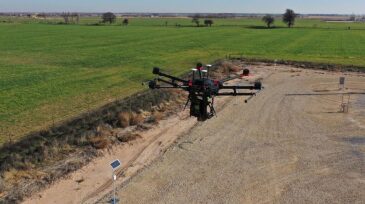
Drones will be just one of the tools that the service company uses in its drive toward net-zero carbon emissions.
-
A host of women and men gathered at the inaugural SPE-GCS Women in Energy Congress to discuss the gender-gap challenges facing oil and gas today. How does greater diversity and inclusion help the industry progress, and what can companies do to encourage more diverse and inclusive environments?
-
While much progress has been made to reduce flaring, associated gas continues to be flared at thousands of oil production sites around the world. A further reduction may be achieved through a market-oriented approach to commercialization