HSE & Sustainability

LibertyStream has signed a feedstock agreement with Goodnight Midstream to support its first commercial lithium carbonate facility in North Dakota's Bakken, advancing plans to extract battery-grade lithium from produced water.

The transition away from materials that contain per- and polyfluoroalkyl substances (PFAS), co-called forever chemicals, creates an opportunity to preserve historical information. Information that appears to have little operational value today may later become important when organizations need to evaluate past PFAS use. Once that information is lost, recreating it may…

TotalEnergies signed off for 30% operated stakes in the Lang Lebah and B14 gas fields offshore Sarawak on the sidelines of ADIPEC in Abu Dhabi, while also highlighting methane-reduction partnerships in Angola, India, and Southeast Asia.
-
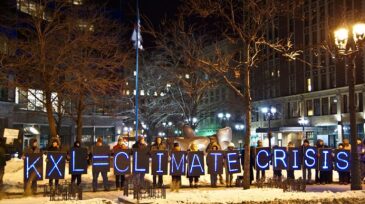
 A year and a half after President Donald Trump reversed an Obama administration decision to block TransCanada’s Keystone XL pipeline, a federal district judge in Montana has halted the project again, citing an insufficient review of the project's environmental impact.
-
Upstream oil and gas operations are inherently loud environments. With the right equipment, training, and hearing-conservation program, these noisy operations need not pose a risk to workers’ hearing.
-
OSHA’s efforts to require employers to report occupational fatalities and certain injuries in a timely manner lack “sufficient guidance on how to detect and prevent underreporting,” the Department of Labor Office of Inspector General states in its semiannual report to Congress.
-
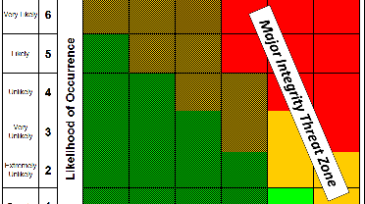
The Technical Integrity Management System is a means of ensuring that the people, system, processes, and resources that deliver technical integrity are in place, in use, and fit-for-purpose throughout the whole life cycle of the assets, to avoid major accidents while meeting production objectives.
-
For Texas ports, the rise in oil and gas exports is a windfall. For some communities, it’s not so simple.
-
Scientists have discovered nearly two dozen new types of microbes, many of which use hydrocarbons as energy sources. The scientists suggest that these bacteria could help limit the concentrations of greenhouse gases in the atmosphere and could one day be useful for cleaning oil spills.
-
The National Institute for Occupational Safety and Health is collaborating with partners in industry, government, academia, and labor and with other stakeholders to achieve successful and sustainable outcomes to improve worker safety and health across the oil and gas extraction industry.
-
Royal Dutch Shell is changing its tune on carbon, saying it will tie executive pay to shorter-term reductions in emissions.
-
While oil and gas are finite, not “renewable” resources, they are still crucially important to building a more sustainable world and will play a major role for a very long time, not only for global economic growth but also for global social development and human lifestyle enhancement.
-
Companies are bringing satellite monitoring to the unconventional oilfield—namely the Permian Basin—where they are training machine learning models to track and predict drilling and completions work.