HSE & Sustainability

The firm’s latest analysis puts the bulk of the blame on a fragmented supply chain.

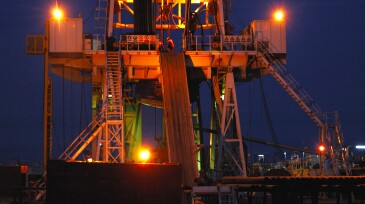
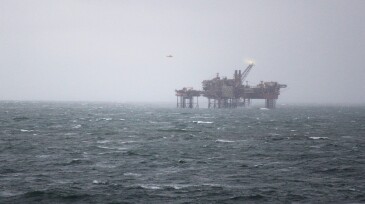
This paper reviews a proof-of-concept project in which surplus casing pipes were used in the fabrication of purposefully designed artificial reef structures for the enhancement of biodiversity and commercial fisheries.

Sustainable energy continues to grow as a focus for reliable, affordable, and secure energy as seen from the past year of papers reviewed for this feature. Three primary areas are being reported on heavily: carbon use for enhanced oil recovery, geological hydrogen discovery, and critical minerals from the subsurface.
-
 The agreement covers the upstream to downstream sectors, focusing on global business and development of human capital.
 -
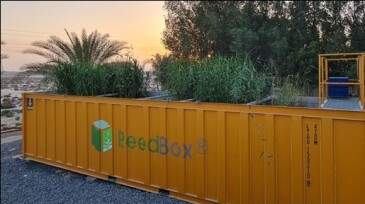
Nature-based solutions, such as constructed wetlands, have gained increasing interest over the past decade as a sustainable option for wastewater treatment in the domestic, industrial, and oil and gas sectors, with a growing number of examples now existing throughout the UAE, Oman, and other oil-producing regions.
-
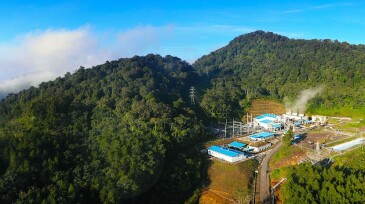
The companies have agreed to study the development of geothermal energy in Indonesia to further the country’s goal of adding 3.3 GW of geothermal capacity by 2030.
-
Food and water safety is of paramount importance to the effective functioning of the oil and gas industry. Diseases related to food and water are major contributors to project morbidity and can have significant and adverse effects on workforce productivity, particularly during large-scale construction phases of a project.
-
Paving the way for collaboration, the fourth edition of the SPE Symposium on CCUS management witnessed groundbreaking discussions on innovative strategies and initiatives that accelerate the deployment of CCS and CCUS projects in the region.
-
Several projects have been scrapped across the US as inflation causes project costs to soar, while projects in Costa Rica and Rotterdam move forward.
-
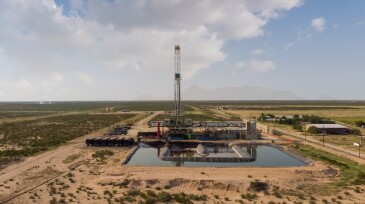
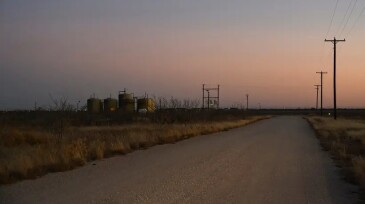
Permian Basin oil wells produce a lot of water. Much of it is injected into disposal zones above and below the basin’s primary oil- and gas-producing zone. When water is injected into these disposal zones, the pressure increases, mainly because no fluid is concurrently removed. Is this increase in pressure a concern? The data would suggest yes.
-
First production from the US supermajor's Arkansas lithium-rich asset is expected by 2027.
-
The 5.2-magnitude earthquake is tied for the fourth strongest in Texas history. It occurred in an area where oilfield companies have long been injecting waste water.
-
The memorandum of understanding aims to combine the efforts and expertise of both agencies.