HSE & Sustainability
This article from the SPE Methane Technical Section features Arvind Ravikumar of the University of Texas at Austin and focuses on how the Energy Emissions Modeling and Data Lab is integrating satellite observations, facility-level measurements, operational data, and emissions inventories into more credible methane accounting for oil and gas systems.

The firm’s latest analysis puts the bulk of the blame on a fragmented supply chain.

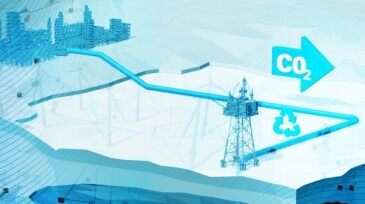
This work uses a novel pseudosteady-state-based simulation to reduce training-data-generation cost while maintaining high-performance predictions of data-driven proxy models for carbon-sequestration projects.
-
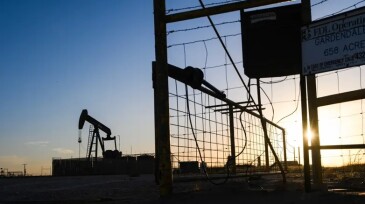
 An industry leader in the Permian Basin said a new report proves safety regulations are helping. Other observers say more data is needed to understand the risks of extraction.
 -
The hub acreage is located in state waters of Cameron Parish.
-
Fourteen companies scooped up the licenses to sequester carbon in depleted oil and gas reservoirs and saline aquifers offshore UK.
-
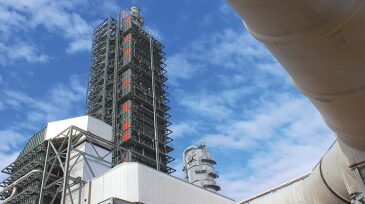
The $1-billion carbon capture project in Texas is revived after a 3-year hiatus.
-
Diamondback Energy has agreed to spin off its water operations. Now, who’s next?
-
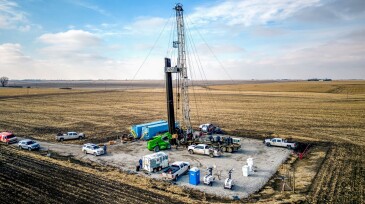
The government is offering its first major funding for the unexplored energy source.
-
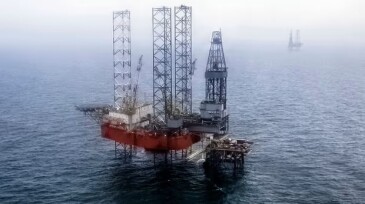
The recapture of the "Boyko Towers" takes Kyiv "many steps closer to regaining Crimea," the Ukrainian intelligence service said.
-
The US Department of Justice also announced the seizure of almost 1 million bbl of Iranian crude oil.
-
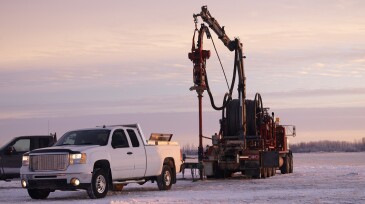
Vehicle-related accidents contributed to more than a quarter of worker deaths in the oil and gas extraction industry over a recent 6-year period, according to a report from the CDC.
-
This paper examines how connected technology can help streamline safety processes and improve worksite efficiency.