HSE & Sustainability

This paper proposes a shift in the timing of risk modeling to much further back within the job lifecycle, recognizing each function’s role in the mitigation of risk.
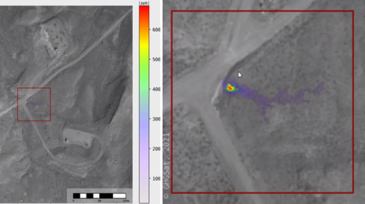
This article from the SPE Methane Technical Section features Arvind Ravikumar of the University of Texas at Austin and focuses on how the Energy Emissions Modeling and Data Lab is integrating satellite observations, facility-level measurements, operational data, and emissions inventories into more credible methane accounting for oil and gas systems.

The firm’s latest analysis puts the bulk of the blame on a fragmented supply chain.
-
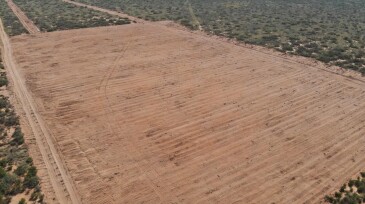
 Biodiversity actions plans (BAPs) are a systematic approach to biodiversity management that can help companies contribute to nature-positive goals. The guidance provides general process steps recommended for preparing and implementing a BAP.
 -
This case study highlights the effectiveness of unmanned aerial systems in enabling land-based operators to assess the relative seriousness of leaks efficiently by both localizing and quantifying their methane emission rates.
-
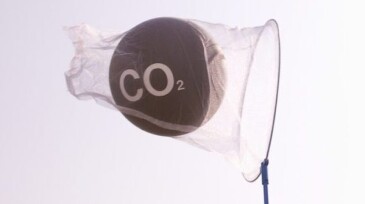
Deployment of Mosaic DAC pilot units are envisaged for a pair of HIF eFuel facilities.
-
Dow, X-energy join forces to supply nuclear power to Gulf Coast plant, while NuScale gets the go-ahead from western cities to build reactor despite cost increases.
-
The first direct air capture facility will debut a few months late, but that’s not a big concern for its developer.
-
A survey by DNV shows energy professionals prioritizing secure energy, followed by clean and then affordable energy.
-
Dealmaking has picked up steam, especially by Oxy. Many of the announced deals by Oxy and others are in Texas and in the Gulf Coast region.
-
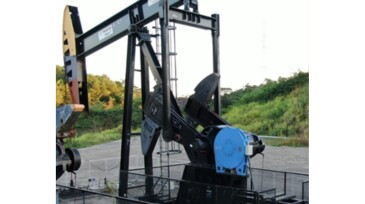
The authors describe implementation of permanent-magnet-motor technology in different artificial lift systems that has resulted in power savings of more than 15% and lifting-cost optimization.
-
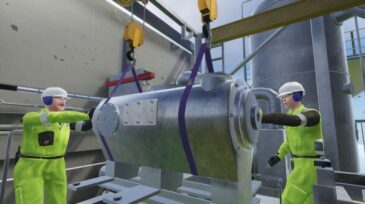
Equinor is adopting a mobile-game-based “safety simulator” training program from learning and development company Attensi, and a user survey suggests it’s working.
-
This paper discusses how methane detection from oil and gas infrastructure using remote sensing technologies enables operators to quantify and minimize the emissions while gaining insight and an understanding of their operations through data analytics.