Inspection/maintenance

From AI-enabled walking rigs to subsea drones and autonomous inspection robots, robotics is rapidly moving from pilot projects to field deployment. The technology promises not only greater efficiency but also a fundamental shift in how the industry approaches safety and asset management.

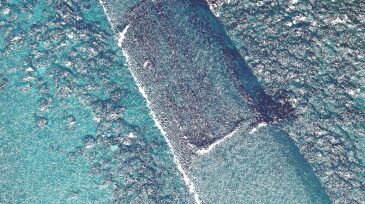
This paper introduces in-pipe inspection technologies enabling high-resolution digital measurements of tubular internal diameter and wall thickness for critical downhole applications.
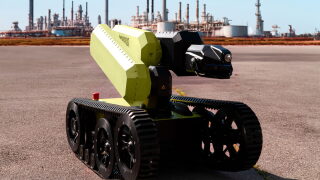
The deployment of a new heavy-duty robotic system aims to reduce workforce exposure to high-risk areas while improving detection of potential leaks.
-
 Aker BP showcased the Spot robot recently. Spot will be part of the company's initiative that will explore how robotics systems can be used to make offshore operations safer.
 -
The data-driven maintenance program incorporates riser condition, usage, and fatigue analysis with a risk-based inspection process.
-
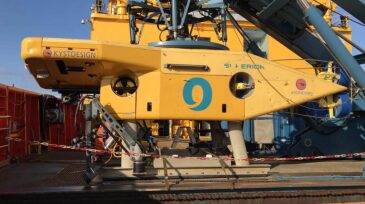
As companies look to reduce the time it takes to inspect a subsea pipeline, as well as the costs involved in the operation, autonomous systems have become a more desirable option. How close are they to becoming the norm?
-
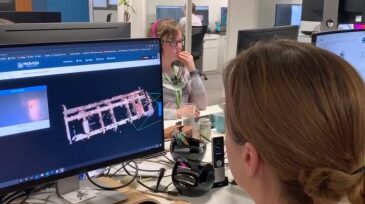
Rovco’s stereo camera technology system sends images and 3D models of assets from the seabed to computer browsers in any location, offering users instantaneous access to information during inspection or construction.
-
A proving ground for the use of digital twins has emerged in the North Sea. There, operators Total, Aker BP, and Shell have each developed and deployed twins that they expect to pay big dividends.
-
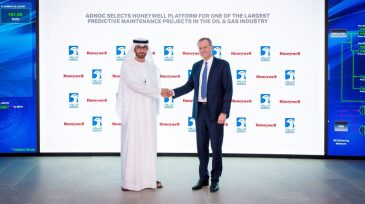
ADNOC will utilize Honeywell’s asset monitoring and predictive analytics platform to improve asset efficiency and integrity across the operator’s upstream and downstream businesses.
-
Equinor has chosen four suppliers for inspection services on all offshore installations on the Norwegian Continental Shelf and onshore plants in Norway. The frame agreements, estimated at $383 million, are scheduled to be signed soon.
-
Sensors, robots, and artificial intelligence have made their way into a number of areas within the industry, including pipeline inspections. Shell has begun to examine the innovative technologies that could shift the inspection paradigm.
-
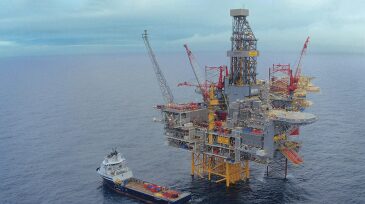
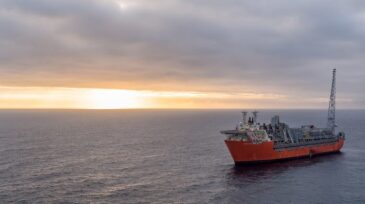
The company used a maintenance optimization plan from Lloyd's Register for the centrifugal pumps and fire and gas detectors on a floating production, storage, and offloading vessel in the Norwegian Sea.
-
Risk-based inspection is based on sophisticated risk analysis which significantly decreases overheads and helps to avoid equipment failures or unnecessary shutdowns.