LNG

Project financing raised by JP Morgan will enable YPF and its partners Eni and ADNOC’s XRG to launch Phase 2 of Argentina LNG, boosting production to 18 mtpa by 2030-2031.

The Gorgon Phase 3 project will counter declining reservoir pressure to sustain gas supplies to Western Australia’s domestic market and support LNG exports to Asia.
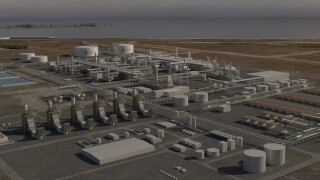
By resuming work on the Rovuma LNG project, ExxonMobil tees up a final investment decision expected in 2026 as East Africa’s LNG hub begins to take shape with three separate projects now in construction.
-
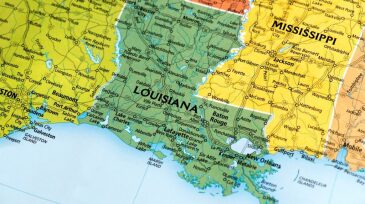
 The Cameron LNG project completed its final train this month, but other LNG projects such as Calcasieu Pass LNG, Driftwood LNG, and Lake Charles LNG face difficulties during the economic downturn.
 -
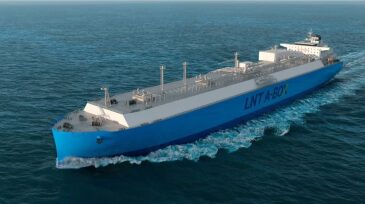
The LNG A-Box containment system is designed for LNG carriers to serve smaller terminals, where larger ships are not feasible.
-
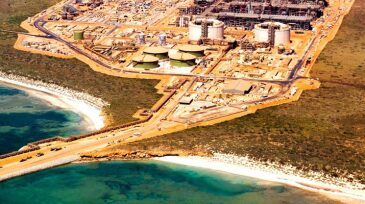
Repair work on the Gorgon LNG plant’s propane heat exchangers is underway. Planned maintenance on the Gorgon Train 2 was expected to end in July.
-
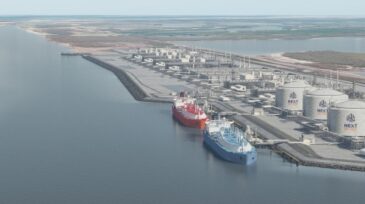
The original technology selected in 2015 and 2016 for Rio Grande LNG has since evolved. With five trains instead of six, Rio Grande LNG will still produce 27 mtpa.
-
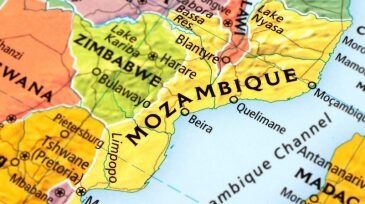
The Mozambique LNG project expects to achieve financial close in Q3.
-
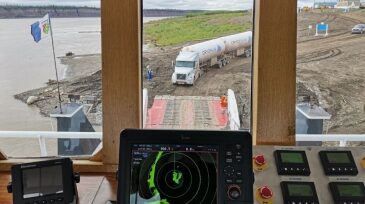
Larger-capacity LNG truck trailers and new regulations for transport by rail are providing more options for industrial consumers in remote locations.
-
The growing opposition in the US for new natural gas pipelines comes as supply and demand continue to grow. Pipelines are necessary for the transport of the gas. Why is there a disconnect between the two?
-
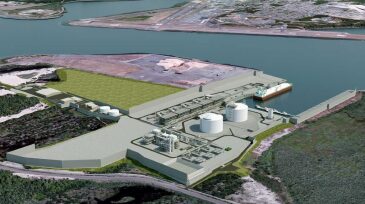
The US approved construction and operations for the Jordan Cove project in March; first gas is anticipated in 2024
-
Two of the biggest assets to suffer from the new valuation are in Australia. Shell’s QGC venture and its floating liquified natural gas facility, Prelude, have been reduced in value by up to $9 billion.
-
The drop in US LNG exports comes amid a combination of weak demand, ample supply, additional capacity coming on line, and flexibility to cancel US cargoes.