LNG

After a record year for LNG project approvals in 2025, multiyear repairs to war-damaged liquefaction facilities in Qatar and the UAE threaten to slow the growth of global LNG capacity.

The Coral Norte FLNG is to be the mirror image of the Coral Sul unit, which shipped its first cargo in 2022 after it was put into service in Area 4 offshore Mozambique.
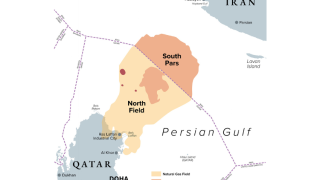
Barzan plant explosion that killed 13 and injured 66 occurred 2 days after production was restarted following a scheduled shutdown in December for routine maintenance.
-
 The project framework agreement moves the proposed conversion of Lake Charles LNG’s import and regasification terminal closer to sanction, which is expected sometime this year.
 -
China Energy Reserve and Chemicals Group is exploring the possibility of importing LNG from the US via ISO containers loaded from the West Coast.
-
Latest federal approval authorizes US LNG exports to non-FTA countries.
-
Commissioning is complete and Bechtel has turned over care, custody, and control of Train 1 to Cheniere, It's the first liquefaction train placed into operation in a greenfield facility in the lower 48 states.
-
Japan is bringing its nuclear reactors back on line following the suspension of operations at all reactors after the 2011 Fukushima accident. As the reactors return to full operation, the increase in nuclear generation is likely to displace generation from fossil sources, in particular natural gas.
-
The vessel will produce approximately 2.5 mtpa of LNG for the project, which is expected to deliver first gas in 2022.
-
The transfer of LNG to Equinor’s Arctic Voyager marks the first ship-to-ship transfer in the island nation.
-
Poland’s PGNiG is calling for contractors for an LNG terminal expansion and construction of an additional jetty.
-
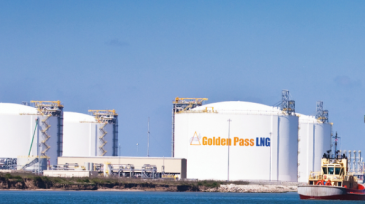
The Golden Pass LNG export project got the go-ahead for a $1-billion liquefaction development. Baker Hughes will supply turbomachinery equipment for three LNG trains. Startup is expected in 2024.
-
Anadarko Mozambique Area 1, LTDA, a subsidiary of Anadarko Petroleum Corp., named the preferred tenderers for provision of the subsea production systems. Formal award will follow final agreement of contracts and Mozambique LNG taking a final investment decision, expected in the first half of this year.