LNG

After a record year for LNG project approvals in 2025, multiyear repairs to war-damaged liquefaction facilities in Qatar and the UAE threaten to slow the growth of global LNG capacity.

The Coral Norte FLNG is to be the mirror image of the Coral Sul unit, which shipped its first cargo in 2022 after it was put into service in Area 4 offshore Mozambique.
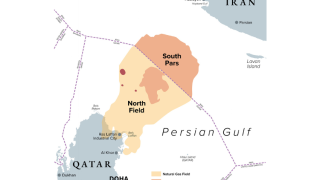
Barzan plant explosion that killed 13 and injured 66 occurred 2 days after production was restarted following a scheduled shutdown in December for routine maintenance.
-
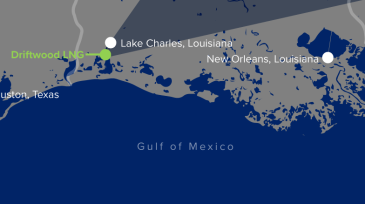
 Driftwood is authorized to export up to 3.88 Bcf/D, and Port Arthur gets go-ahead for 1.91 Bcf/D of natural gas as LNG.
 -
An EIA report shows natural gas exports reaching 4.6 Bcf/D in February, the 13th consecutive month in which the country's natural gas exports exceeded its imports. Exports are projected to reach 7.5 Bcf/D by 2020.
-
Natural gas, often hailed as the bridge to an energy future that will include greater demand for alternative energy supplies, may be poised to overtake oil as the globe’s primary fuel source in the next decade.
-
ExxonMobil signed a sales and purchase agreement with Zhejiang Provincial Energy Group for LNG supply. Zhejiang Energy is expected to receive 1 mtpa over 20 years.
-
-
The move comes weeks after Gazprom announced a final development concept for the project. Other projects Shell is developing with Gazprom, including the Sakhalin 2 export facility, will not be impacted by the decision.
-
The gas agreement clears the way for the FEED phase; FID expected in 2020.
-
More flexible approaches to financing, production, and trading are crucial to meeting world’s needs, new study finds.
-
The 15-year deal calls for 1 million tons of LNG to be shipped each year to the Iberian Peninsula. Final investment decision on the project is expected in the second half of 2019, with the first liquefaction train scheduled to start up in 2023.
-
Most underground gas-storage facilities are depleted reservoirs. What makes depleted reservoirs attractive is the presence of existing wells used to produce the reservoir, plus the geologic and engineering knowledge acquired during the development of the field.