Asset Management

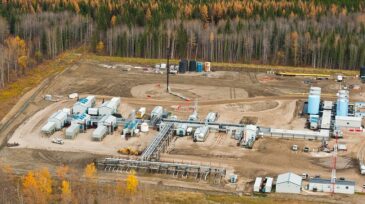
As 50-50 joint venture partners in Arrow Energy, the operator of the Surat Gas Project, Shell and PetroChina will share the AUD 713 million (USD 501 million) cost of Phase 3.

The ultrasonic wellbore imaging firm is being taken over by Blackstone, the world's largest alternative asset manager.

New geothermal technical content and programming will highlight knowledge transfer among oil and gas and geothermal professionals.
-
 With US oil prices struggling to top $25, oil companies and service providers are making deeper cuts this month to cope. The biggest come from Halliburton which may have shed 5,000 total jobs since the start of the year.
 -
So many unprecedented changes have occurred in the Canadian oil business that it is impossible to compare the current downturn to anything seen before.
-
The natural gas pipeline is co-financed by the EU, with work beginning immediately.
-
Hear first-hand from the first-ever chief technology officer at the Abu Dhabi National Oil Company, Alan Nelson, about the integrated operator's digital transformation strategy.
-
What will the landscape of this industry look like when the dust of the current price crash settles? The business will realign, as it always does. This may bring big changes to the future of technology development.
-
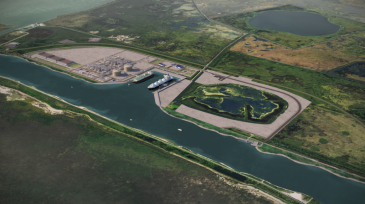
The LNG market remains a mixed bag heading into Q2. Port Arthur LNG is just the latest to see a delayed FID, while other LNG projects are still moving ahead.
-
The merged companies will offer large-diameter coiled-tubing, directional drilling, snubbing, wireline services, and pressure pumping services.
-
Historically, natural gas contract prices were tied to the price of crude; now, volatility and growth in spot-market liquidity signal a shift from long-term linking toward a more integrated market.
-
The sale of the Appalachia position is in line with Shell’s strategy to focus on its shales strategy.
-
The Texas Railroad Commission finally ended its uncomfortable flirtation with limiting production by declining to set quotas, but it changed rules to speed oil storage construction and allow companies to conserve cash by giving them more time to plug wells and clean up waste pits.