Asset Management

With $9.6 billion in assets in the market, the focus is shifting from who is exiting Southeast Asia to who is positioning for entry through acquisition, according to Rystad Energy.

Despite significant progress in capturing associated gas for domestic use, Iraq remains the world’s third-largest gas-flaring country as it aims for higher oil and gas production targets.

Transaction adds 90,000 net acres and 68,000 BOE/D of production as Crescent expands its South Texas footprint.
-
 There are numerous views of what the future energy landscape will look like in the next decade and beyond. When thinking about sources of primary energy, it is not a question of either/or, it is a question of what can reach scale fast enough to meet continued demand growth.
 -
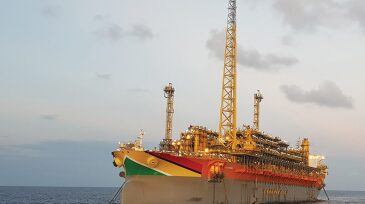
Putting together the billions of dollars needed to develop deepwater finds has become tougher, but when the discoveries are huge, companies will make every effort to find a way to tap what may be a cheap source of oil.
-
For the offshore sector, the collapse in oil demand and prices came just as the market was beginning to look up. Now many companies are focused on survival. This article discusses how various market segments, regions, and companies are faring in “the new reality.”
-
The US crude inventory grew by 74 million bbl since 13 March when the US declared a national emergency in response to COVID-19.
-
Rystad Energy estimates show demand will be at its lowest in April before moving back up again in May.
-
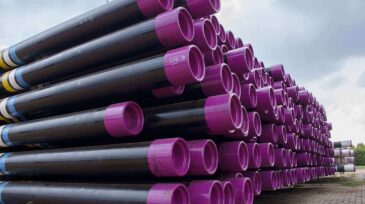
Tubular steelmaker Vallourec is latest to join reductions in workforce.
-
On 20 April, a historic drop of oil prices occurred. WTI futures contract dove into negative territory for the first time ever.
-
The chapter 11 filing comes as record-low crude prices and excess supply have impacted operations across the industry. About 2,500 jobs could be at stake.
-
The deferments are the latest actions Shell has taken in response to record low crude prices.
-
While many shale producers are racing to cut costs by removing crews from the field, ExxonMobil and Chevron stood out as maintaining large numbers of fracturing crews.