Asset Management

Talos Energy founder Tim Duncan has been named executive chairman of newly formed 1947 Oil&Gas, which will focus on acquiring and developing mature, shallow-water assets through its buyout of Renaissance Offshore. The deal is expected to close in Q2 2026.

Operators aren’t rushing to drill, even as the closure of the Strait of Hormuz drives oil prices up.

The following three papers show challenges and potential solutions across various stages of the deepwater well-development cycle from a variety of deepwater basins across the world.
-
 The new CEO of Pemex outlined his plan to reverse the state-owned company’s struggling financial and production situation.
 -
While the current oil prices may not generate the cash flow needed to pay for offshore projects using traditional financial options, private equity may be the best alternative for operators.
-
Secretary of the Interior Ryan Zinke praised America’s resource potential and regulatory framework at OTC. He also laid out his plan to review the department and signed two secretarial orders.
-
Brazil is embarking on a 3-year round of bid sales offering international oil companies multibillion barrel prospects with better contract terms.
-
Companies need effective talent acquisition and retention programs to succeed in the pending economic recovery.
-
Russia’s need to continue expanding the oil and gas business is pushing it to look east for more production and markets. But everywhere it turns there is stiff competition in a world awash in oil and gas.
-
An industry expert said that workforce education will be critical to helping companies adapt to a changing data landscape and optimize their operations.
-
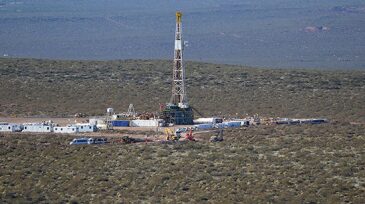
Shale explorers in Argentina are reporting that improving performance and activity is set to rise this year to boost the country’s gas production.
-
This paper reviews clusters of information that will be termed “building blocks” for deepwater-field-development planning, discussing how they are currently used and exploring more-affordable, but technically robust, alternatives.
-
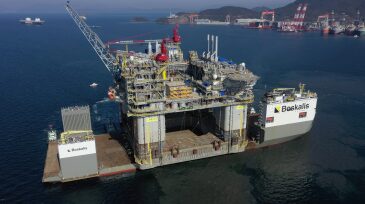
A panel of executives, project managers, and government regulators involved with the Mad Dog project in the US Gulf of Mexico discuss the importance of collaboration and strategic alignment in project development.