Asset Management

Known as Arena, the collaboration aims to improve decision-making across increasingly complex reservoirs and growing volumes of subsurface data.

Robotic and autonomous systems are transforming energy operations, but their full value emerges only when paired with data science, engineering analytics, and AI/ML to turn data into decisions. The transition of the SPE Robotic & Autonomous Systems Technical Section into the SPE Data Science & Engineering Analytics Technical Section helps bridge this critical technolo…

Trafigura will purchase 100,000 metric tons of battery-grade lithium products under a decade-long take-or-pay contract valued at over $2 billion.
-
 The US is emerging as a gas-exporting nation, and that is going to mean big changes globally.
 -
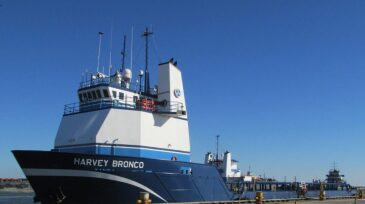
M2 Subsea, a provider of ROV services, formed an alliance with vessel operator Harvey Gulf Marine International to provide subsea ROV services in the Gulf of Mexico.
-
At an initial production rate of almost 13 MMcf/D, BP’s new well has achieved the highest early-production level in 14 years for a well in the San Juan Basin of Colorado and New Mexico.
-
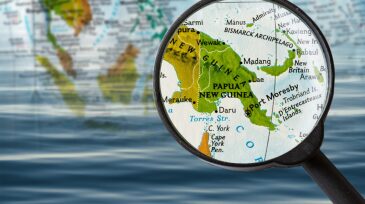
Baker Hughes, a GE company, agreed to provide services and equipment for Twinza’s Pasca A field development, Papua New Guinea’s first offshore gas field.
-
Shift work can interrupt circadian rhythms. A new study shows that exposure to certain types of light can improve alertness in shift workers.
-
The new US sanctions against Russia will place added restrictions on international companies taking part in oil development projects with Russian companies and raise doubts about Russia’s plans to expand pipeline exports.
-
Service company executives examine how the oil price downturn affected supply and demand for their services in the unconventional sector, and strategies they have undertaken to stay afloat as operators adjust to uncertainty.
-
ADNOC’s authority on technology maturity describes the case studies used to test the company’s new technology qualification process.
-
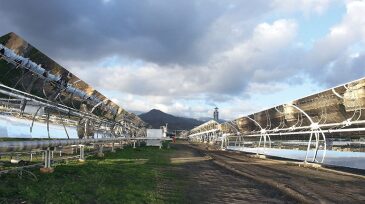
In thermal enhanced oil recovery there is one big ingredient: steam. A new startup from Germany believes it has found the oil industry’s cheapest way to make it.
-
A Canadian research organization believes the country’s oilfield technology could help another energy sector drive down its costs and it may work out for heavy oil producers too.