Asset Management
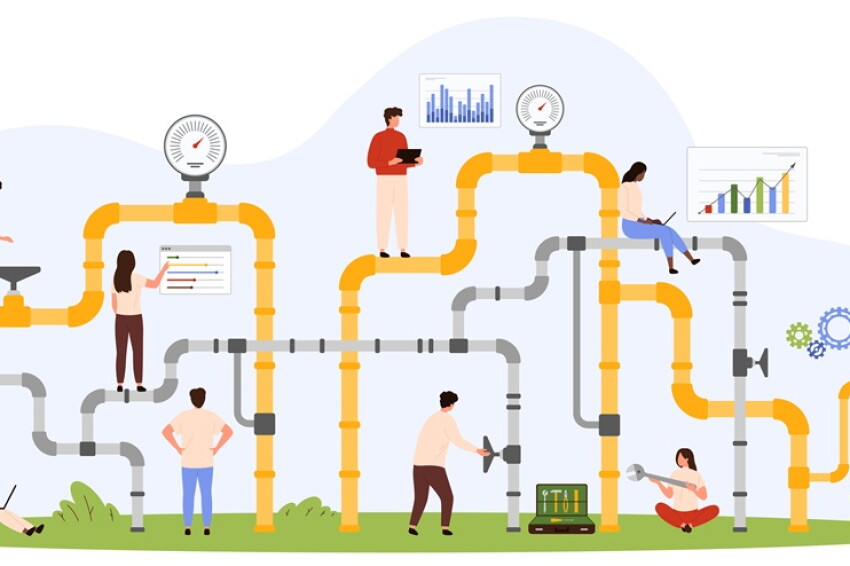
A credible custody-transfer record depends on far more than the accuracy of a single meter. It is the product of an integrated measurement chain. While meter performance supports measurement-system integrity, commercial confidence also depends on traceability, governance, and authorization.

The Seismos full-scale research center opens to industry, universities, and national laboratories, advancing acoustic sensing across upstream energy, pipelines, critical infrastructure, and national security.

The Society’s archive of technical papers, maps, figures, and geological data sets will be integrated into the GIX platform, enabling geoscientists to query AI agents about exploration opportunities within specific geographic regions while combining historical research with public data, proprietary information, and advanced analytics.
-
 2019’s class of offshore projects show a wide range of potential sanctioning outcomes.
 -
A new report predicts that US output will rise to a new record high of 12.1 million B/D in 2020.
-
Unconventional development has made it clear to Erdal Ozkan that conventional theory overlooks a lot of potentially productive rock. He talks about looking for ways to do better as part of JPT’s tech director report.
-
In need of an exploration boost, Norway doled out a record 83 production licenses in mature areas of the Norwegian Continental Shelf to 33 firms.
-
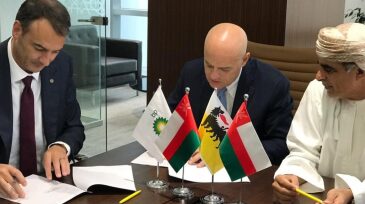
By racking up exploration agreements in the United Arab Emirates, Oman, and Bahrain, Eni took a big step forward in its pledge to tap into the Middle East’s vast swaths of highly prospective oil and gas acreage.
-
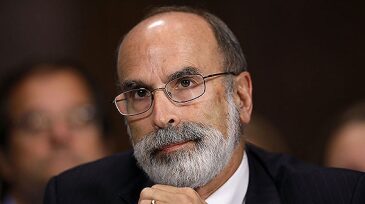
Ahead of the release of the Trump administration's changes to Obama-era rules governing offshore oil platforms, Michael Bromwich said he is worried. "I don't think they are in the public's interest," he said.
-
BP announced four discoveries in the Gulf of Mexico near existing platforms. It use advanced seismic imaging to identify resources in deepwater locations that can be developed cost effectively using platforms nearby.
-
Saudi Arabia is trying to push oil prices back up but US producers remain wary and uncertain.
-
The decision comes after the company’s discovery of an additional 400 million bbl of oil in place at Atlantis, one of the largest fields in the gulf.
-
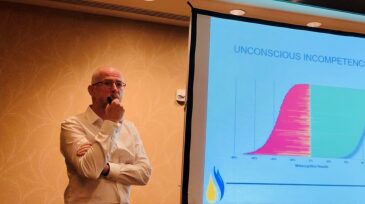
Safety training must hurdle barriers built by people’s confidence in their misconceptions.