Mature fields

New rules requiring Mozambique’s LNG industry to supply 25% of production to the domestic market could stabilize gas deliveries to South Africa’s Secunda industrial center as the Pande and Temane gas fields near depletion.

Novel lift systems, AI-driven automation, and real-time engineering models are helping operators extract more value from mature wells.

Operators struggle to understand proppant placement beyond the fracture, and that’s the information that could be the key to boosting EUR.
-
 These papers exemplify value creation at each stage of hydrocarbon maturation and should prompt practitioners to don their thinking caps.
-
Field results highlight how rethinking tubing-anchor-catcher design can reduce gas interference and support late-life production.
-
Operators are turning to new gas-lift and nanoparticle-fluid technologies to drive up production rates.
-
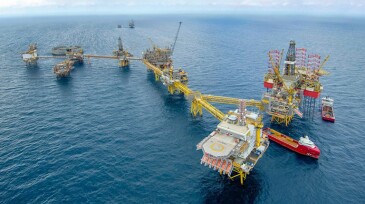
Vår Energi and partners have officially sanctioned the Previously Produced Fields Project in the Greater Ekofisk Area. The redevelopment is expected to add high-value barrels starting in 2028, extending the production life of one of Norway’s key offshore regions.
-
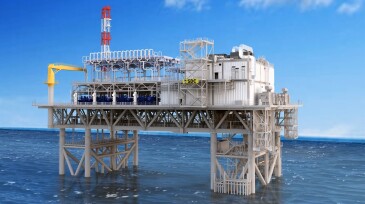
BP’s new electric gas compression platform at Shah Deniz, Azerbaijan’s largest natural gas producer, is expected to sustain exports to Europe even as the field enters decline.
-
ExxonMobil joins BP, Chevron, and TotalEnergies in greenlighting new investment projects in Iraq in 2025 as the government targets oil production of 6 million B/D by 2029.
-
Intelligent completions could improve many of the world’s oil and gas wells, but not all are suited to the technology. There is another option.
-
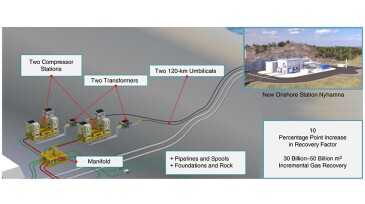
This paper addresses how close collaboration has enabled the development of a robust and cost-efficient solution for the Ormen Lange project by using carefully selected technology elements and an accelerated qualification process to mature them.
-
As Africa’s top oil producer, Libya is ramping up momentum—offering 22 exploration areas and welcoming BP back to Tripoli with a major deal.
-
Equinor and Shell plan to launch the joint venture—initially announced in late 2024—by the end of 2025, pending regulatory approvals.