Onshore/Offshore Facilities

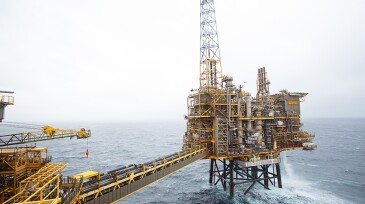
With confidence in subsea boosting performance growing, BP is incorporating pumping systems into both greenfield developments and brownfield expansions.

The legacy of per- and polyfluoroalkyl substances (PFAS) is a persistent problem in many industries, including upstream oil and gas. In this Q&A, remediation expert Grant Scott presents the trouble with these “forever chemicals” and the mitigating efforts being used.

As the pace of new discoveries slows and high-quality prospects become harder to find, oil companies may need to rely more heavily on mature fields to maintain production and support future supply.
-
 A new UK-based operating company is set to launch next year with a production profile of nearly 140,000 BOE/D.
 -
If the find is commercially viable, the company and its partners say a subsea-to-shore development plan could produce first gas as early as 2027.
-
This article examines how decommissioning costs impact project viability, showing that operational profitability can mask uneconomic end-of-life obligations, and advocates for ethical diligence in assessing these costs.
-
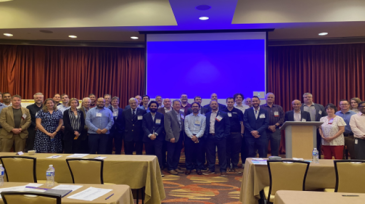
Sharing state-of-the-art design and troubleshooting methods, the workshop identified future separation needs and gap statements and proposed how to close the gaps.
-
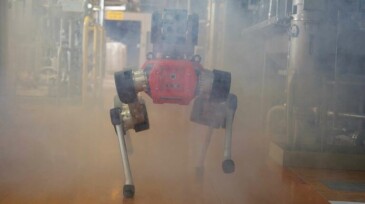
Equans has selected ANYbotics as its preferred ground robot supplier to drive the adoption of ANYmal for autonomous inspections, asset monitoring, and maintenance.
-
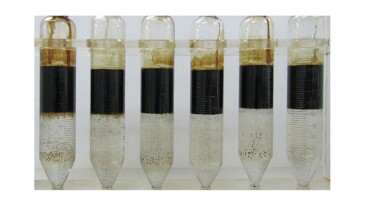
This work investigates a cost-effective and sustainable alternative to acidification for sheen control.
-
The authors of this paper discuss how intelligent completions in the Gulf of Mexico have allowed for increased production, reduction in operating expenses, enhanced overall reservoir recovery, and improved safety and environmental performance.
-
The paper aims to address the challenges and opportunities in managing produced water and its contaminants in the petroleum industry.
-
More than 40 years since its discovery, a hot and stubborn gas reservoir offshore Abu Dhabi has been tamed.
-
The new partnership assets include pipelines in Pennsylvania, Ohio, and West Virginia serving the Marcellus and Utica shales.